
Symptoms of Piles in Female: Causes, Signs, Treatment & Prevention
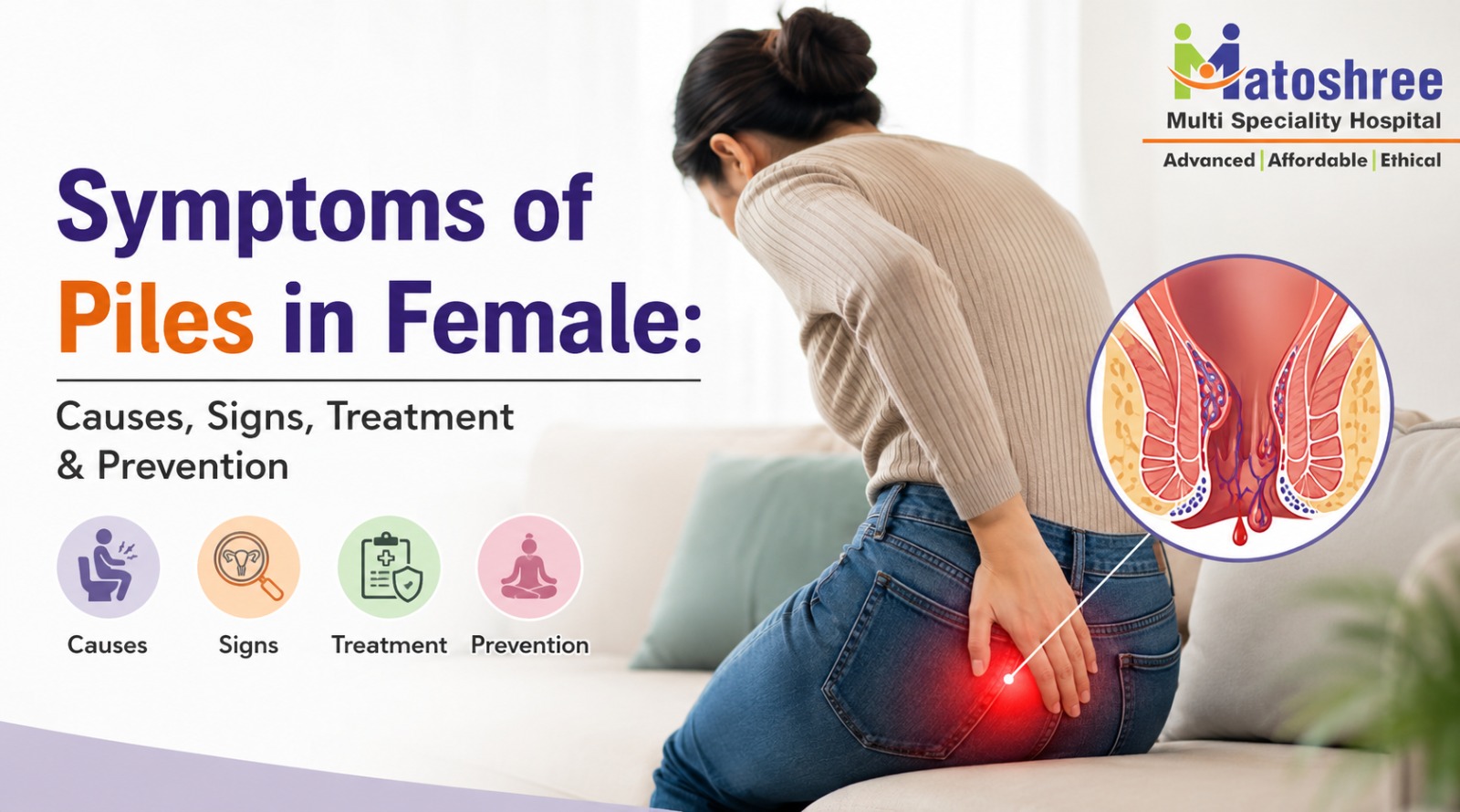
Piles (haemorrhoids) are swollen veins in the lower rectum and anus, often triggered by pregnancy, childbirth, hormonal fluctuations, and chronic constipation. Common signs include bright red bleeding during bowel movements, anal pain, itching, and palpable lumps.
What Are Piles?
Hemorrhoids, also called piles, are swollen blood vessels in the anus or rectum. Piles can be divided into two categories, depending on their location:
Internal Piles
- Grow within the rectum.
- Usually painless.
- Can bleed when going to the toilet.
- May extend outside of the anus in late stages.
External Piles
- Form under the skin around the anus.
- Can cause pain, itching and swelling.
- Can form a blood clot that will cause pain.
Symptoms of Piles in Female
The symptoms of piles in female vary depending on the severity and type of hemorrhoids. Common piles symptoms for female include:
Rectal Bleeding
Bright red blood on toilet paper or in the toilet bowl after passing stool is one of the earliest signs.
Pain During Bowel Movements
External hemorrhoids often cause pain or a burning sensation while passing stool.
Itching Around the Anus
Inflamed hemorrhoids can cause persistent itching and irritation around the anal area.
Swelling or Lump
Women may notice a soft or painful lump around the anus caused by swollen blood vessels.
Mucus Discharge
Some women experience mucus leakage after bowel movements, which may irritate the surrounding skin.
Feeling of Incomplete Bowel Emptying
Many patients feel they still need to pass stool even after completing a bowel movement.
Difficulty Sitting
Large external hemorrhoids may cause discomfort while sitting for long periods.
If you notice these symptoms of piles in female, consult a healthcare professional for proper diagnosis and treatment.
Causes of Piles in Female
Knowing the causes of piles in female can help reduce your risk of developing the condition.
Pregnancy
The pelvic veins are compressed, and hemorrhoids are more likely to occur during pregnancy.
Childbirth
When the baby is born, the rectal veins may become enlarged due to straining, and this can be a cause of piles.
Chronic Constipation
Frequent straining while passing hard stools is one of the most common causes of piles in female.
Low-Fiber Diet
Without fruits, vegetables and whole grains, you can suffer from constipation and the pressure of evacuation.
Obesity
Too much weight on the lower part of the rectum.
Prolonged Sitting
Women who have desk jobs or a sedentary lifestyle are at a greater risk of developing hemorrhoids.
Heavy Lifting
Lifting a heavy object regularly will create more abdominal pressure, which can help form piles.
Piles are typically diagnosed by:
- Medical history
- Physical examination
- Digital rectal examination
- Anoscopy
- A colonoscopy (if bleeding from the rectum needs further investigation)
Early diagnosis assists in excluding other conditions which may mimic the symptoms.
Treatment for Hemorrhoids
Treatment depends on the severity of the condition and the symptoms of the patient.
Lifestyle Changes
For most mild cases, the mainstay of treatment involves lifestyle changes:
- Follow a high-fibre diet.
- Consume 2–3 litres of water a day.
- Exercise regularly.
- Avoid prolonged sitting.
- Avoid straining when going to the toilet.
Home Remedies
Mild symptoms can be eased with home treatment:
- Warm sitz baths
- Cold compresses
- Over-the-counter hemorrhoid creams
- Gentle laxatives recommended by a physician
Medical Treatment
- Rubber band ligation
- Sclerotherapy
- Infrared coagulation
- Hemorrhoids surgery for severe or recurrent hemorrhoids
10 Foods to Avoid In Piles
The food we eat is essential in the care of hemorrhoids. For those who are suffering from piles symptoms for female, there are some foods which are avoided to cut down on constipation and irritation.
- Spicy foods
- Fried foods
- Processed snacks
- White breads and stripped flour products
- Red meat
- The body contains cheese and too many dairy products.
- Sugary desserts
- Alcohol
- Excessive caffeinated beverages
- Salty packaged foods
Following these 10 Foods to Avoid In Piles while increasing your intake of fiber-rich foods, fruits, vegetables, and whole grains can help improve bowel movements and reduce symptoms.
Healthy lifestyles can help prevent hemorrhoids.
- Consume high-fibre foods.
- Drink lots of water all day.
- Exercise regularly.
- Don't sit on the toilet for a long time.
- Try and go to the toilet when you have the urge to defecate.
- Keep a healthy weight.
- If your job involves a lot of sitting, get up and move around.
These habits help reduce the causes of piles in female and lower the risk of future episodes.
If you get any of the following symptoms, please get medical help:
- Persistent rectal bleeding
- In severe cases, pain or swelling may occur.
- A painful lump around the opening of the rectum (anus)
- Symptoms persisting for over 7 days
- No improvement with home treatment
Early treatment will avoid complications and be more effective.
Frequently Asked Questions (FAQs)
What are the first symptoms of piles in female?
The earliest symptoms of piles in female include itching, mild pain, rectal bleeding, swelling, and discomfort during bowel movements.
What are the common causes of piles in female?
The main causes of piles in female are pregnancy, childbirth, constipation, obesity, prolonged sitting and a low-fibre diet.
Can hemorrhoids heal without surgery?
Yes. The majority of cases of hemorrhoids (hemorroides) get better by changing your diet, taking medications, staying hydrated and practising proper bowel habits.
Which foods should be avoided during piles?
Try to avoid 10 Foods to Avoid In Piles, which include spicy foods, fried foods, processed foods, refined flour products and too many dairy products, as they may make the piles uncomfortable and worsen constipation.
How can I prevent piles naturally?
To avoid hemorrhoids, consume a high-fibre diet, drink plenty of fluids, exercise regularly and avoid prolonged sitting.
Conclusion
It is never right to overlook symptoms of piles in a female, particularly in the event of any bleeding, pain or swelling around the anus. By knowing the causes of piles in female, the early piles symptoms for female and timely treatment for hemorrhoids (hemorroides), it is possible to prevent complications. Medical treatment is not the only thing that helps the bowels to get healthy and make you feel better and decrease the risk of developing piles again; along with medical treatment, eating a balanced diet and avoiding the 10 Foods to Avoid In Piles can help. Women can control their piles and keep their digestive system healthy by making certain changes in their lifestyle and taking early action if necessary.

















 (1).png)