
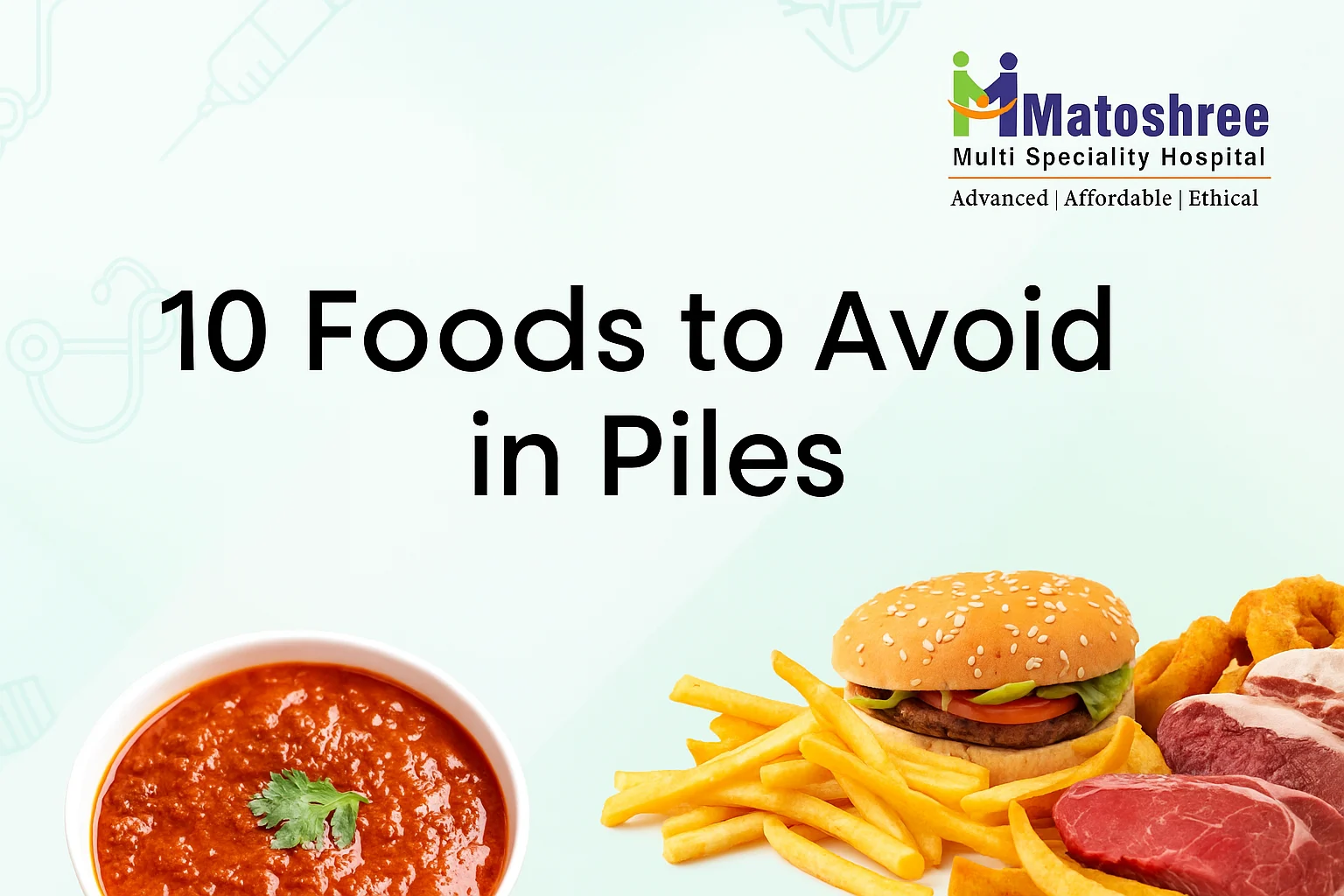
10 Foods to Avoid In Piles
Piles (or hemorrhoids) are enlarged veins in the lower part of the rectum and anus that may lead to pain, itching, bleeding and discomfort during bowel movements. Poor diet is one of the main factors that makes symptoms of piles more troublesome. Dry foods, spicy food, and drinks that dehydrate the body can cause hard stools, cause straining, and worsen hemorrhoids.
It's important to know which food causes constipation and irritation when looking for piles of food to avoid. Some foods should be completely avoided during flare ups as they can aggravate inflammation, make it more painful and slow recovery.
In this article we'll look at the 10 worst foods to steer clear of in piles, and tell you why removing these can help decrease pain and accelerate healing.
1. Refined Flour and Maida-Based Foods
Refined flour and Maida-based foods are culled.Refined flour and Maida-based foods are eliminated.
Foods prepared with refined flour (maida) lack fibre and are hard to digest. Low fibre foods can cause constipation and straining when passing stool because fibre softens stools.
Foods to Avoid:
- White bread
- Pizza base
- Burgers
- Cakes and pastries
- Mixed in with the noodles made with maida
If stools are difficult to pass, they can enlarge even more and bleed as they pass. Whole grains provide more fiber, which aids digestion and bowel regularity, and are a better choice than refined flour.
Refined flour products are among the worst food triggers that can make symptoms worse for those who have to steer clear of items in the pile.
2. Spicy Foods
Spicy foods don't directly result in haemorrhoids, however they can aggravate existing symptoms including burning, aggravation or torment. The active ingredient, capsaicin, in chillies can cause irritation to the sensitive tissue of the hemorrhoids during digestion.
Common Trigger Foods:
- Green chillies
- Spicy curries
- Hot sauces
- Pickles
- Spicy street food
A lot of people with piles say that they experience more discomfort after eating spicy food. During recovery, you can find that cutting back on the use of spices helps a lot in terms of pain associated with bowel movements.
One spicy food to avoid is spicy dishes as they can worsen the irritation and discomfort.
3. Fried and Oily Foods
Foods that are deep fried are high in calories and low in fibre. These foods delay digestion and can cause constipation.
Examples:
- French fries
- Chips
- Pakoras
- Samosas
- Fried fast food
Fatty foods can also aggravate piles symptoms due to bloating, which may also give rise to stomach discomfort. Eating baked or steamed versions are healthier choices for digestion.
Fried food should be avoided as far as possible in piles diet charts.
4. Processed Meat
Processed meats have very little dietary fibre in them and are often rich in salt and preservatives. They may cause constipation, and put pressure on the veins in the rectum as they slowly digest the food.
Foods to Limit:
- Sausages
- Bacon
- Salami
- Hot dogs
- Deli meat
There is also a connection between a diet rich in processed meats and digestive discomfort and inflammation. Substituting processed meat for fibre rich plant proteins could help to ease piles symptoms.
5. Dairy Products
Dairy products are a good source of calcium and protein, but excessive consumption can sometimes cause constipation.
Foods that Can Cause Piles:
- Cheese
- Ice cream
- Cream
- Full-fat milk
If you see hard stools following dairy products, it's best to cut back on dairy to ease the recovery from piles. If eating dairy products, use fibre-rich products.
6. Alcohol
Alcohol causes the body to dry out which can result in hard and dry stools and make it harder to have a bowel movement. It also can cause hemorrhoids to swell in hemorrhoidal veins.
The reasons why alcohol aggravates piles:
- Causes dehydration
- Slows digestion
- Increases constipation risk
- May irritate the digestive tract
During the process of recovery from piles, sufficient amounts of water must be consumed and alcohol does not help this.
Among the foods to avoid during piles, alcohol is one of the most important as it will make the condition much worse if it causes dehydration.
7. Caffeinated Drinks
Excessive caffeine may contribute to dehydration and bowel irregularity, especially when water intake is low.
Drinks to Limit:
- Coffee
- Strong tea
- Energy drinks
- Cola and soft drinks
Too much caffeine may also irritate the digestive tract in sensitive individuals. Herbal teas and plain water are better choices for maintaining soft stools.
8. High-Salt Foods
Foods high in salt can cause water retention and worsen pressure in blood vessels, including veins around the rectum.
High-Sodium Foods:
- Packaged snacks
- Instant noodles
- Processed soups
- Salted chips
Excess salt may also contribute to dehydration, which can make stools harder and more painful to pass.
People often ignore salty packaged foods while searching for food to avoid in piles, but they can contribute significantly to constipation and discomfort.
9. Unripe Bananas and Constipating Fruits
Fruits are generally beneficial for piles, but some unripe fruits may worsen constipation.
Fruits to Avoid During Flare-Ups:
- Unripe bananas
- Raw guava in excess
- Very sour unripe fruits
If you are wondering which fruit is not good for piles, unripe bananas are commonly considered one of the worst choices because they contain resistant starch that may slow digestion and harden stools.
Fully ripe fruits are usually a safer option for people suffering from hemorrhoids.
This is one of the most searched questions related to piles diet: which fruit is not good for piles.Constipation should be avoided since this will strain the bowel, particularly when eating fruits.
10. Junk and Fast Food
Fast food typically lacks fibrous material and is high in unhealthy fats, salt and preservatives. Regular use can interfere with digestion and lead to chronic constipation.
Foods to Avoid:
- Burgers
- Pizza
- Instant noodles
- Frozen ready-to-eat meals
- Packaged snacks
Eating at home, and eating a diet rich in vegetables, fruits and whole grains, can help to improve bowel regularity and alleviate straining during bowel movements.
The junk food, which is lacking in essential nutrients and fibre required for good digestion, is often included in the list of food to avoid the most.
The Importance of Diet for Piles
Another prime cause of piles is straining and constipation which puts pressure on the rectal veins. Some foods can aggravate symptoms and make them worse, and certain foods can help relieve discomfort and minimize flare-ups.
A diet that's good for piles should:
- Include high-fibre foods
- Promote smooth bowel movements
- Prevent dehydration
- Reduce digestive irritation
Fruits, vegetables, whole grains, legumes, and water are all good for the bowels, and experts suggest having at least 2–3 litres of water each day.
For anyone who is prone to hemorrhoids it is essential to know what foods cause hemorrhoids and to avoid eating them in order to maintain a healthy digestive system and keep these hemorrhoids away.
However, the best foods to eat instead are the following.
It is also very important to keep away from trigger foods and eating fibre foods can help during recovery.
Foods that are recommended for piles:
- Oats and whole grain foods
- Brown rice
- Papaya
- Apples and pears
- Leafy green vegetables
- Lentils and beans
- Cucumbers and carrots
- Plenty of water
These foods have a natural laxative effect to make stools soft and to ease pressure when defecating.
When to See a Doctor
If you have any of the following symptoms, you should see a health care worker:
- Stools that are always bloody or have blood from the rectum
- If it's very painful or swollen
- Recurring constipation
- If piles persist for longer than a week
In mild cases, lifestyle and dietary changes may prove helpful, while more severe hemorrhoids might need medical treatment.
Final Thoughts
Being aware of foods to avoid heaps can significantly impact recovery and symptom management. Some foods like refined flour, spicy foods, alcohol, fried snacks and low fibre meals, can exacerbate constipation and irritation, making the flare-up painful.
When trying to find out which fruit should not be eaten for piles, steer clear of unripe bananas and other fruits that tend to cause constipation during flare-ups to ensure better bowel movements and decrease discomfort.
While it's not certain to cure symptoms, eating foods that are easier to digest, drinking more water, and eating more fiber can help make digestion easier and improve long-term digestive health. Making a few changes to your diet can help ease some of the symptoms of piles and reduce the chances of them coming back.

















 (1).png)