
Stage 4 Endometriosis Symptoms, Diagnosis & Treatment
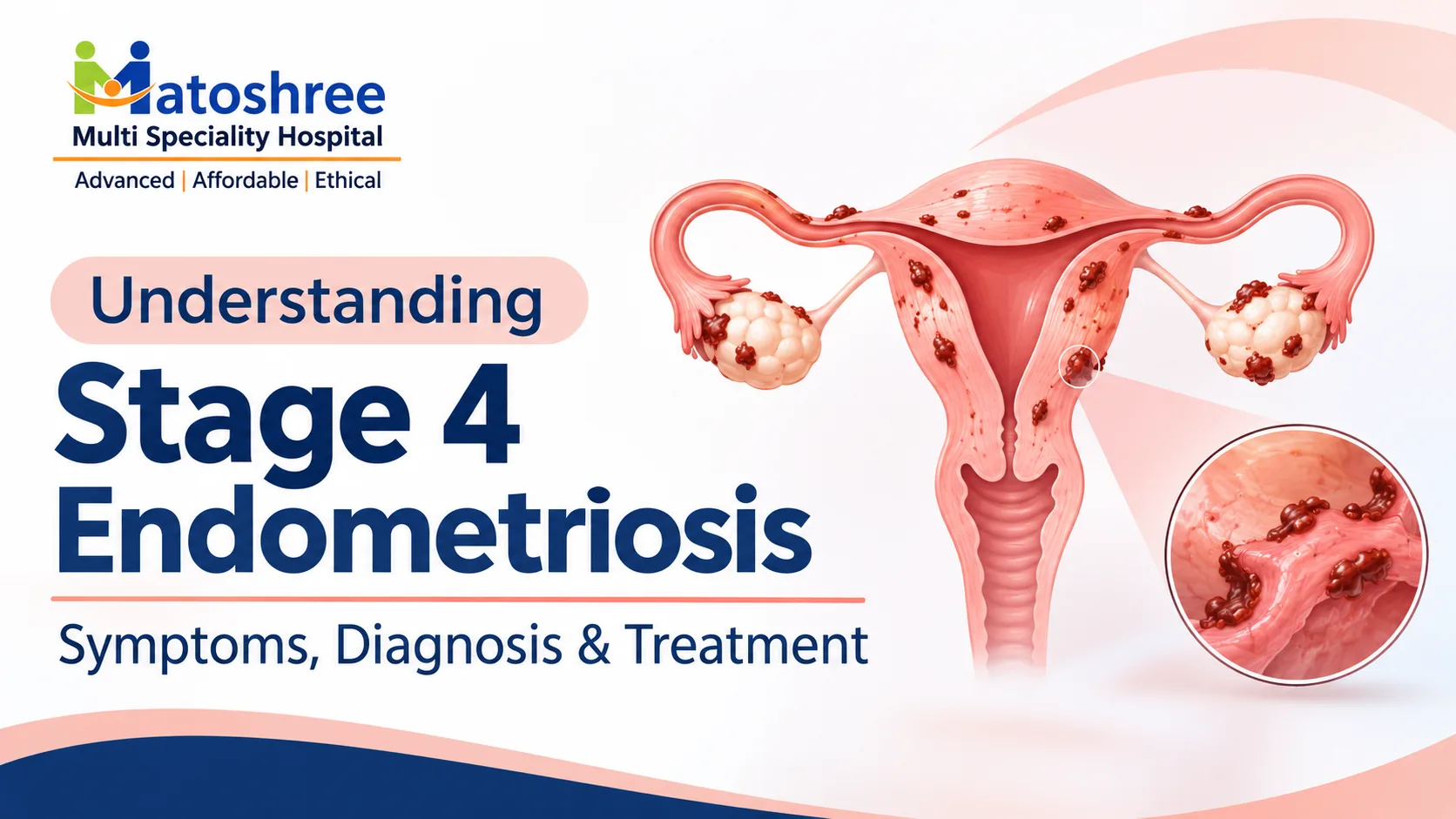
Stage 4 endometriosis is the most extensive form of the condition. By this point, tissue similar to the uterine lining has spread widely in the pelvis, often forming ovarian cysts and dense scar tissue. Stage 4 endometriosis symptoms can include long-standing pelvic pain, very painful periods, bowel or bladder problems and difficulty conceiving. Some women have all of these. Others notice very little.
That mismatch is one reason the condition is so often missed. Endometriosis affects roughly one in ten women of reproductive age, yet many go years before getting a clear answer. This guide explains how endometriosis develops, how it is staged, what Stage 4 can look like and the treatment options available today.
What Is Endometriosis?
Endometriosis is a chronic condition in which tissue resembling the lining of the uterus grows outside it. This tissue responds to monthly hormones just as the lining does, thickening and bleeding. The difference is that the blood has nowhere to go. The result is inflammation and scar tissue (adhesions) that can bind pelvic organs together.
Nobody knows exactly why it happens. One long-standing theory is retrograde menstruation, where some menstrual blood flows backwards through the fallopian tubes into the pelvis. That alone doesn't explain every case, though, so doctors believe immune factors, hormones and genetics also play a part. Having a mother or sister with endometriosis does raise your own risk.
The condition is driven by estrogen. That's why symptoms usually begin after periods start, tend to flare around menstruation and often ease after menopause.
Common and Less Common Symptoms of Endometriosis
Endometriosis symptoms vary widely. Some resemble other menstrual problems, so knowing the common causes of irregular periods also helps. Below are the symptoms gynecologists see most often.
Painful Periods
Cramps that begin a day or two before bleeding, last several days and don't ease with regular painkillers. Many women say the pain has slowly grown worse over the years.
Chronic Pelvic Pain
A persistent ache in the lower abdomen or back that continues between periods. For some, it's a dull background pain. For others, it flares sharply around ovulation.
Painful Intercourse
Sex can bring on a deep ache that lingers afterwards. It's usually worse when lesions have settled behind the uterus.
Heavy Bleeding
Periods may be unusually heavy, and some women spot between cycles.
Bowel and Urinary Symptoms
Passing stool or urine can hurt, and bloating is common. A few women see traces of blood around their period. These uncommon symptoms of endometriosis are often blamed on an infection or irritable bowel syndrome at first.
Fatigue
Ongoing tiredness that rest doesn't fully resolve. Chronic inflammation, disturbed sleep and heavy blood loss can all contribute.
Where Can Endometriosis Develop?
Most endometriosis stays within the pelvis. The site matters, because it shapes both the symptoms and the treatment plan.
Ovaries
The ovaries are among the most common sites. Here, endometriosis can form fluid-filled cysts called endometriomas, sometimes known as "chocolate cysts" because of the thick, dark blood inside them.
Bowel
Usually the rectum or lower colon. This can cause painful bowel movements, constipation or diarrhea that worsens during periods, and sometimes rectal bleeding at the time of menstruation.
Bladder
Bladder endometriosis symptoms include frequent urination, a sudden urge to go, pain as the bladder fills and blood in the urine during menstruation. Rarely, the ureters (the tubes from the kidneys) are affected too.
Abdominal Scars
A tender lump near a C-section or surgical scar that swells and hurts with each cycle is a classic sign of scar endometriosis. It can appear months or even years after the surgery.
Rare Locations
Occasionally the diaphragm or chest is involved, causing chest or shoulder pain around periods. In very rare cases, lesions can lead to a collapsed lung during menstruation.
The Four Stages of Endometriosis Explained
Endometriosis stages are based on the location, size and depth of lesions, along with the extent of adhesions seen during surgery. The most widely used system, from the American Society for Reproductive Medicine, assigns points for these findings and groups the total into four stages.
| Stage | General Description |
|---|---|
| Stage 1 – Minimal | Small or limited deposits, with little or no scar tissue. |
| Stage 2 – Mild | More deposits than Stage 1, but relatively limited disease. |
| Stage 3 – Moderate | More extensive deposits, possible ovarian endometriomas and adhesions. |
| Stage 4 – Severe | Widespread disease that may include large endometriomas, deep lesions and heavy scarring (adhesions). |
One point matters here. The stage reflects how far the disease has spread, and it does not reliably predict pain. A woman with Stage 1 can have severe pain, while someone with Stage 4 may have mild symptoms. Small, deep lesions near nerves can hurt far more than large cysts. So staging is mainly useful for surgical planning and fertility counselling, rather than for judging how someone feels.
Stage 4 Endometriosis Symptoms
What Stage 4 Means
Stage 4 is the most advanced category. Large endometriomas, deep lesions and dense adhesions may bind the ovaries, tubes, uterus and bowel together. In some women, the space behind the uterus is completely sealed off by scar tissue, a finding surgeons call an obliterated pouch of Douglas.
Possible Symptoms
- Severe or steadily worsening period pain
- Constant pelvic or lower back pain
- Deep pain during intercourse
- Painful bowel movements or urination
- Difficulty conceiving
What It May Feel Like
Many describe a deep, dragging ache that spreads to the lower back or legs. On bad days, work and sleep both suffer. Some women notice sharp, stabbing pain when the bowel moves or when they change position. Others mainly feel bloated and heavy for much of the month.
Possible Complications
These include infertility, ovarian cysts that rupture or twist, and, rarely, blockage of the bowel or ureters. A blocked ureter can quietly damage the kidney, which is one reason imaging and follow-up matter. Living with chronic pain can also affect emotional wellbeing, relationships and work.
Does Endometriosis Always Progress to Stage 4?
No. Endometriosis progression is unpredictable. Some lesions stay stable for years, some shrink and others advance. There's no fixed timeline, so regular follow-up matters.
Studies that have looked at women before and after surgery show a mixed picture. In roughly a third, the disease worsens over time. In the rest, it stays the same or improves. Hormonal treatment may help slow new growth, and pregnancy and menopause often bring symptoms down.
Is Stage 4 Endometriosis Serious, Treatable or Cancer?
Is It Serious?
It's advanced disease that can affect organs and fertility, so it needs specialist care. It is rarely life-threatening. The real burden usually comes from pain, fertility problems and the effect on daily life.
Can It Be Treated?
Yes. There's no definitive cure, and endometriosis can return after treatment. Still, symptoms and complications can usually be managed well. So is stage 4 endometriosis curable? Not in the strict sense, but most women can reach a point where it no longer controls their life.
Is It Cancer?
No. Endometriosis is a benign condition, even though it can spread to other organs. Long-standing ovarian endometriomas are linked to a slightly higher risk of certain ovarian cancers, but the overall risk remains low. Regular monitoring of any cysts is usually enough.
Stage 4 Endometriosis Treatment Options
Stage 4 endometriosis treatment is planned around symptoms, age, the organs involved and pregnancy plans. Most women end up with a combination of approaches over time.
Pain Management
Anti-inflammatory painkillers such as ibuprofen or mefenamic acid work best when started a day or two before the period. Pelvic floor physiotherapy, heat, regular exercise and good sleep can also ease day-to-day pain.
Hormonal Treatment
Birth control pills, progestins or GnRH-based drugs quieten the lesions and can ease symptoms considerably. A hormonal intrauterine device is another option for some women. Existing cysts and adhesions, however, stay where they are, and symptoms often return once treatment stops.
Laparoscopic Surgery
Here, the surgeon works through a few small cuts in the abdomen. Lesions and endometriomas are removed, and organs stuck together by adhesions are carefully freed. If you're weighing up laparoscopic surgery in Kamothe, it helps to start by understanding the difference between laparoscopy and laparotomy.
When the bowel or bladder is involved, surgery may need a team that includes a general surgeon or urologist. Recovery is usually quicker than open surgery, with most women back to routine activities within a couple of weeks. For women who have completed their families and still have severe symptoms, removal of the uterus may be discussed, though it doesn't guarantee the pain will go.
Fertility Planning
Hoping to get pregnant? Mention it before any surgery is planned. Removing ovarian cysts can lower egg reserve, so your doctor may adjust the approach. A blood test for AMH (anti-Müllerian hormone) helps estimate your reserve. Some women are advised to try IVF first or to consider freezing eggs before surgery.
Follow-Up
Endometriosis can come back. Regular check-ups, often alongside hormonal therapy, help keep that risk down. Follow-up visits are also the time to review pain, cysts and any new symptoms.
Severe Period Pain: When Should You Be Concerned?
Some period discomfort is normal. Severe period pain that makes you miss work or college, doesn't respond to painkillers or gets worse each year is not. These are among the early signs of endometriosis and deserve a medical evaluation.
It's worth keeping a simple symptom diary for two or three cycles. Note when the pain starts, how strong it is, what helps and whether it affects your bowel, bladder or sleep. This gives your gynecologist a much clearer picture than memory alone. Young women and teenagers are often told that painful periods are just part of growing up. Pain that disrupts school or daily life should still be checked.
Endometriosis vs PCOS: How Are They Different?
Both can affect fertility, yet they are quite different conditions. Endometriosis is mainly a pain condition caused by misplaced tissue. PCOS is a hormonal and metabolic condition that affects ovulation. You can also read about the difference between PCOD and PCOS.
| Feature | Endometriosis | PCOS |
|---|---|---|
| Main symptoms | Painful periods, pelvic pain, painful intercourse | Irregular periods, acne, excess hair growth, weight gain |
| Underlying cause | Uterine-like tissue growing outside the uterus | Hormonal imbalance with irregular ovulation |
| Diagnosis | History, ultrasound, MRI; laparoscopy for confirmation | Symptoms, hormone blood tests, ultrasound |
It is possible to have both conditions at the same time, which is why a proper evaluation matters.
Can Endometriosis Affect Fertility and Pregnancy?
The link between endometriosis and fertility is well established. Adhesions may distort the tubes and ovaries, endometriomas can reduce egg reserve, and inflammation may affect egg quality and implantation. Around 30 to 50% of women with endometriosis face some difficulty conceiving.
Even so, many women conceive naturally. Others benefit from surgery, IUI or IVF, guided by a personalised infertility evaluation and treatment plan. Age, egg reserve, tubal health and the partner's semen analysis all shape which route makes sense.
If you do become pregnant, keep your obstetrician informed about your history. Symptoms often settle during pregnancy, but some studies suggest a slightly higher chance of certain complications, so closer monitoring can be useful.
How Is Endometriosis Diagnosed?
Endometriosis diagnosis is often delayed because its symptoms overlap with other conditions. Many women wait several years between first symptoms and a confirmed answer.
Medical History
Expect questions about your pain pattern, cycle, bowel and bladder habits and fertility. Family history matters too.
Physical Examination
A pelvic exam can reveal tender nodules, a fixed uterus or ovarian swelling. A normal exam, however, doesn't exclude the condition.
Ultrasound
A transvaginal scan can detect endometriomas and some deep disease. A normal ultrasound does not rule endometriosis out, since small surface lesions rarely show up on imaging.
MRI
MRI helps map deep disease, particularly before surgery. It shows whether the bowel, bladder or ureters are involved, which helps the surgical team plan ahead.
When Laparoscopy May Be Considered
Endometriosis laparoscopy is considered when imaging is inconclusive, symptoms persist despite treatment or fertility is affected. It allows direct viewing and biopsy, and lesions can often be treated in the same procedure. Current guidelines also allow doctors to begin treatment based on symptoms and scans, without waiting for surgery.
When Should You Consult a Gynecologist?
Some symptoms shouldn't wait. Book a visit with a gynecologist in Kamothe or elsewhere in Navi Mumbai if you have:
- Period pain that gets in the way of work, study or daily routines
- Pelvic pain that has gone on for more than a few months
- Pain with sex, bowel movements or passing urine
- Trouble conceiving after a year of trying
Seek urgent care if you develop sudden, severe pelvic pain with fever, vomiting or fainting. This can point to a ruptured or twisted ovarian cyst.
Endometriosis Evaluation and Gynecology Care at Matoshree Hospital, Kamothe
At Matoshree Hospital in Kamothe, consultation, imaging, laparoscopic surgery and fertility support all happen in one place. Our gynecology care at Matoshree Hospital supports women at every stage of endometriosis, and each plan is built around your symptoms and priorities.
Your first visit typically includes a detailed history, an examination and a pelvic ultrasound. If needed, further imaging, hormonal treatment or a surgical opinion can follow without long gaps between steps. To book an appointment with a gynecologist in Kamothe, get in touch with us today.
Frequently Asked Questions About Stage 4 Endometriosis
What are the symptoms of Stage 4 endometriosis?
Pelvic pain, endometriomas, adhesions and bowel or bladder symptoms. They vary between individuals, and some women have very few symptoms at all.
Is Stage 4 endometriosis serious?
Yes, it's an advanced form of the disease. With the right treatment, though, symptoms and complications can be kept in check.
Can Stage 4 endometriosis be treated?
Yes. There's no permanent cure yet, but symptoms can be managed well with the right care.
Is Stage 4 endometriosis cancer?
No. Endometriosis itself is not cancer. It is a benign condition.
What are the first warning signs of endometriosis?
Painful periods, pelvic pain and symptoms that recur cycle after cycle. Pain that worsens over time is a particular red flag.
Does Stage 4 endometriosis always cause severe pain?
No. Pain severity doesn't always match the disease stage. Some women with Stage 4 disease have mild pain.
Can endometriosis affect fertility?
It can, but many women with endometriosis conceive, either naturally or with treatment.
Can endometriosis be detected through ultrasound?
Some forms can, such as ovarian cysts and certain deep lesions. A normal ultrasound doesn't rule it out.
Is surgery always necessary for endometriosis?
Not always. Plenty of women do well on medication and hormonal treatment alone. Surgery is usually kept for specific situations.
Conclusion: Don't Ignore Persistent Period Pain
Too many women spend years being told their pain is just a bad period. Endometriosis symptoms deserve proper attention. Stage 4 may be the most extensive form, yet a timely diagnosis and a plan built for you can make it manageable. Pain relief, hormonal care, surgery and fertility support can all play a part, and the right mix looks different for every woman.
If your periods keep getting in the way of your life, it's time to see a specialist. Book a consultation at Matoshree Hospital in Kamothe and start getting answers.




















 (1).png)