
PCOD vs PCOS: Understanding the Differences and Why It Matters
Introduction
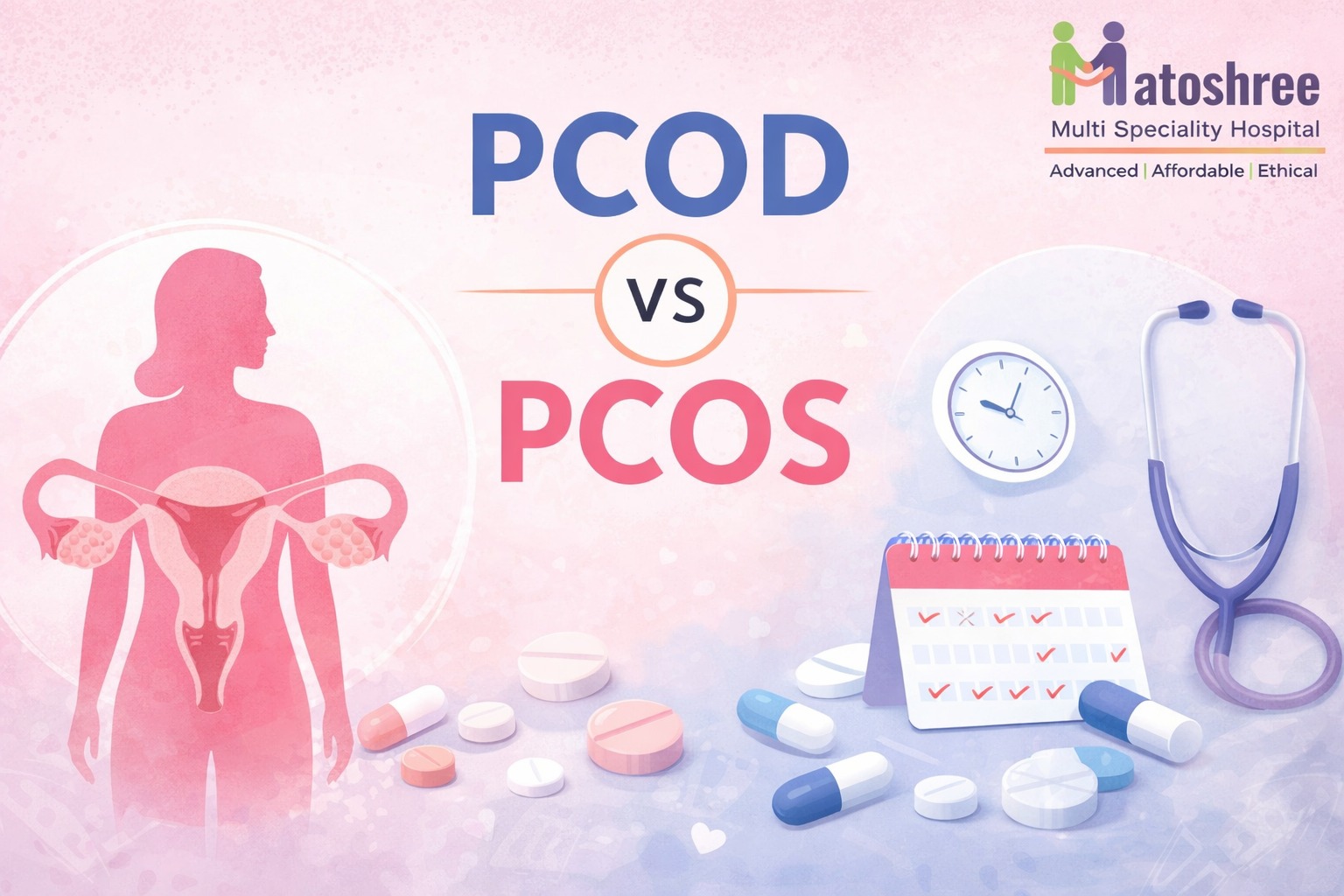
PCOD & PCOS are two terms that are commonly heard during consultations, scans, or even general discussions related to our health. Quite many of us have heard of these terms but are ambiguous about what they entail. Many feel that they are the same thing but have been given different names. Others feel worried without fully understanding why. The truth sits somewhere in between. There is a difference between PCOS and PCOD, and knowing that difference helps you take better control of your health. It also helps you ask the right questions and avoid confusion later on.
What is PCOD?
PCOD, or Polycystic Ovarian Disease, happens when the ovaries release immature or partly developed eggs. With time, these eggs develop into small cysts. This impacts ovulation, which in turn influences the menstrual cycle. Periods may come late, skip months, or become unpredictable.
PCOD is very common, especially among young women. In many cases, it is closely linked to lifestyle habits. Long sitting hours, irregular meals, stress, and weight changes can all play a role. The hormonal imbalance in PCOD is usually mild. With routine changes and basic care, symptoms often improve. For some women, PCOD becomes easier to manage as the body settles into a healthier rhythm.
What is PCOS?
PCOS stands for Polycystic Ovary Syndrome. It is more than just an ovarian issue. PCOS affects how hormones work across the body. Androgen levels, which are male-type hormones, tend to be higher. This directly affects ovulation and can disturb several body systems.
PCOS is considered a long-term hormonal condition. It can influence weight, skin, hair growth, and blood sugar levels. Periods may be absent for months. Some women notice excess facial hair or stubborn acne. PCOS may require frequent visits to the doctor because it may pose a possible risk of developing diabetes or metabolic problems.
Key Differences Between PCOD and PCOS
Causes
PCOD is often triggered or worsened by daily habits. Diet, stress-related factors, sleeping habits, or lack of exercise may be related in this case. PCOS has a robust genetic and hormonal aspect in most cases. It can run in families and is closely linked to insulin resistance.
Symptoms
PCOD symptoms tend to be lighter. Irregular menstrual cycles, acne, or a slow weight gain may be evident. PCOS symptoms are usually more noticeable. Missed periods, excessive hair growth, severe acne breakout, and gaining weight suddenly become common.
Hormonal Imbalance
In both cases, imbalance occurs in the hormones, but the severity differs. For PCOD, hormone levels fluctuate but remain stable later on. Androgen levels remain high for a more prolonged period in PCOS. This imbalance can affect multiple body functions.
Impact on Fertility
PCOD can delay ovulation, but many women conceive naturally with lifestyle support. In PCOS, ovulation problems are more frequent. Fertility treatment may be needed in some cases, though pregnancy is still possible with proper care.
How PCOD and PCOS Affect Your Body
PCOD mainly affects the menstrual cycle. Energy levels may feel low at times. Weight may fluctuate. However, the effect may only be limited, depending on the circumstances.
PCOS affects the body more widely. Blood sugar may rise. Cholesterol may vary. Some skin conditions, like skin pigmentation and acne, may develop. Emotional health could also suffer. It may be exhausting having health issues. That is so, particularly when situations require time to be solved.
Diagnosis: How to Identify PCOD or PCOS
Diagnosis is not based on one test alone. Doctors usually start by discussing symptoms in detail. Period history, weight changes, skin condition, and hair growth patterns are all considered. Blood tests help check hormone levels. Ultrasound scans show ovarian structure.
Sometimes results overlap, which adds to confusion. This is why clinical judgment is important. Meeting an experienced gynecologist in Kamothe and even a reliable specialist is what would help in obtaining better results. Early treatment would make the management of the problem smoother and stress-free.
Why Understanding the Difference Matters
It is essential to distinguish between pcod and pcos as treatment differs. PCOD symptoms can be managed by living a healthy life with minimal medication, while pcos treatment requires a proper regimen.
Confusion can delay care. Some people wait too long hoping symptoms will resolve on their own. Others panic when the condition is actually mild. Knowing what you are dealing with helps set realistic expectations and avoids wrong assumptions. It also supports better long-term health decisions.
Conclusion
PCOD and PCOS sound similar, but they are not the same condition. One is more associated with life habits, while the other can actually be said to be a hormone problem. Being aware of the difference between PCOS and PCOD will help you do the right things without apprehension or procrastination. With proper medical advice, care, and attention, both conditions can be controlled.


















 (1).png)