
10 Early Symptoms of Pregnancy: How to Notice and Confirm
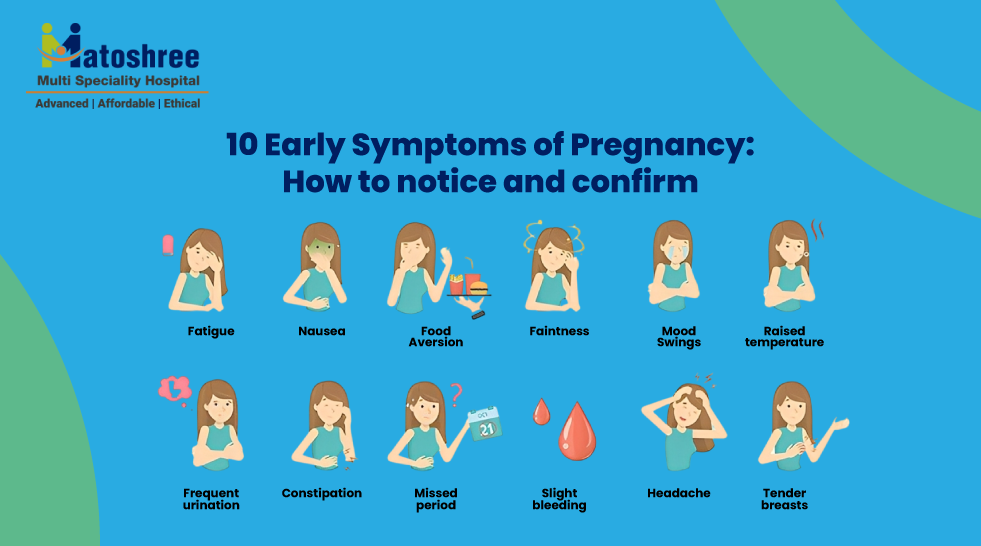
Physical and emotional changes are apparent even before you miss a period during pregnancy. Many women will experience early pregnancy symptoms like fatigue, nausea, breast tenderness, bloating or implantation spotting during the first few weeks following conception; however, each woman will have her own unique experience with pregnancy. Other common early signs and symptoms of pregnancy women look for are mild cramping, mood swings, food aversions, and frequent urination, before missed period. If you know and understand these signs and symptoms of pregnancy, you can confirm pregnancy at an earlier stage and start taking the necessary care during pregnancy.
When Do Early Pregnancy Symptoms Appear?
Symptoms of early pregnancy may start when a woman becomes pregnant, within 1-2 weeks of conception. But, it's not the same for everyone. For some women signs of pregnancy occur before their period, for some it doesn't occur for several weeks.
Implantation is a process that occurs after fertilization whereby the fertilized egg attaches itself to the lining of the uterus. This stimulates the body to secrete pregnancy hormones, which causes several early pregnancy symptoms.
Most of the symptoms of pregnancy are typically seen from 4-6 weeks.
1. Missed Period
One of the first and most obvious indications of pregnancy is a missed period.
If pregnancy happens, the body resumes the production of progesterone and stops ovulation and menstruation to help the developing embryo. If your period is typically on time, but you don't have it, it could be because of pregnancy.
A missed period is one of the first symptoms that women may experience during early pregnancy.
But certain medical conditions, too much exercise, hormonal changes and stress can also cause a delay in the period.
If you have missed a period, you might be pregnant if you see any of these signs:
- You are sexually active
- Your cycle is normally regular
- You experience other signs of pregnancy such as tiredness or sickness
- Extreme tiredness and fatigue.
2. Feeling Tired
Progesterone increases in the first trimester. It is a hormone that aids in maintaining the pregnancy, but can also cause sleepiness and tiredness. It's also harder for your body to support the growing baby, which adds to fatigue.
One of the most ignored symptoms of pregnancy is fatigue particularly during the first few weeks.
Common signs of being tired during pregnancy include:
- Taking an unusually long nap or sleeping more than usual at night.
- Feeling tired throughout the day
- Difficulty concentrating
- Tiredness from doing small activities
Adequate rest, fluids and a balanced diet can help to boost energy.
3. Nausea/Morning sickness
Another possible early symptom of pregnancy is morning sickness. Although their name implies otherwise, nausea may occur during the day or night.
Nausea is one of the most frequent symptoms experienced during pregnancy, usually starting during weeks 4–6 and can be caused by increased sensitivity to smell and hormonal changes.
Symptoms may include:
- Queasiness
- Vomiting
- Food aversions
- Sensitivity to smells is enhanced.
Very few women are nauseated to a tolerable degree, while some have a high degree of symptoms during pregnancy.
The following are some tips to help manage morning sickness:
- Have small nutritious meals more often.
- Stay away from spicy and greasy foods
- Stay hydrated
- Have dry crackers for breakfast!
4. Tender or swollen breasts.
During early pregnancy, hormonal changes can cause breasts to be sore, heavy, swollen or tender.
Lots of women have breast modifications sooner than they miss their period. There is more blood flow and hormonal activity in the body ahead of breastfeeding.
One of the earliest symptoms of pregnancy prior to a missed period is breast tenderness.
Common changes in the breasts are as follows:
- Tenderness
- Tingling sensation
- Darkening of the pigment of the areola.
- Visible veins
- Increased fullness
These symptoms are similar to the PMS experience, but tenderness associated with pregnancy is more severe.
5. Implantation Bleeding or Spotting
During the process of the fertilized egg sticking to the uterus, some women get light spotting. This type of bleeding is known as implantation bleeding.
When a woman is pregnant, the first sign could be called implantation bleeding, which occurs approximately 6-12 days after conception.
Implantation bleeding characteristics:
- Light pink or brown color
- Said to have "mild" spotting rather than "heavy".
- Lasts 1–2 days
- Some slight cramping is possible
Some women even think that it's just a period when it is actually an early pregnancy symptom.
6. Frequent Urination
A need to urinate more frequently may start early in pregnancy.
When hormonal changes occur, the body increases the flow of blood to the kidneys, which increases urine production. The enlarging uterus exerts pressure on the bladder too, as the pregnancy advances.
Another symptom of pregnancy in the first trimester is frequent urination.
You may notice:
- Increased daytime use of the bathroom
- Waking up at night to urinate
- Increased urgency
Drinking plenty of water, even when this early pregnancy symptom is cumbersome, is important.
7. Cravings or aversions of food.
Two early symptoms of pregnancy are changes in taste and smell.
For some women, it is the foods that become cravings for them, and for others it is the foods they used to love that they no longer like.
Some common symptoms of pregnancy are:
- Desire for sweets, salt and sour tastes.
- Metallic taste in the mouth.
- Cooking odor sensitivity.
- Dislike of coffee, eggs or meat
It's thought that hormonal changes during pregnancy influence the sense of appetite and perception.
8. Mood Swings
All of the pregnancy hormones can alter emotions quite a bit.
During the first trimester of pregnancy, women may have mood swings, which could be attributed to hormonal fluctuations, tiredness and physical discomfort.
Early signs of pregnancy include mood swings.
Symptoms of emotional pregnancy may include:
- Irritability
- Anxiety
- Crying easily
- Feeling unusually emotional
It's normal to experience mood swings; however, if emotional distress is extreme, it should be discussed with a health care provider.
9. Bloating & mild cramping.
Bloating and cramping occur as early pregnancy symptoms and are similar to those seen in PMS.
Progesterone slows down digestion resulting in gas and bloating. Light cramping may also result from mild stretching of the uterus.
The early pregnancy symptoms are easily mistaken for menstrual symptoms.
Common symptoms:
- Full/puffy feeling
- Mild lower abdominal cramps.
- Constipation
- Increased gas
If there is severe pain or heavy bleeding, a doctor should be consulted immediately.
10. Increased Basal Body Temperature
The basal body temperature (BBT) may begin to rise after ovulation, and this can be an early sign of pregnancy.
If a woman has ovulated, she will observe that her temperature stays high for over a month after ovulation.
What to know:
- A rise in BBT happens after the release of the egg.
- If the elevation lasts for a long time, it could indicate pregnancy.
- The use of temperature tracking is not a definitive confirmation method.
One of the lesser known early pregnancy symptoms can be this.
Early Pregnancy Signs & Symptoms Before Missed Period
Women can experience some early signs of pregnancy before the actual period date.
The initial symptoms of pregnancy that occur before the missed period are:
- Breast tenderness
- Fatigue
- Mild cramping
- Implantation spotting
- Nausea
- Bloating
How to Confirm Pregnancy?
Signs may offer hints, but the only certain way to know if you are pregnant is to take a pregnancy test.
Home Pregnancy Test
The hCG is the hormone that is detected by home pregnancy tests.
For accurate results:
- Take a test if you have missed your period.
- Collect first morning urine for testing.
- Follow instructions carefully
When performed properly, most contemporary pregnancy tests are very accurate.
Blood Test
A blood test can be done to make the pregnancy test more sensitive than urine tests.
Ultrasound
Ultrasound is used to confirm pregnancy and to track the fetus' development. It is typically done a few weeks after a positive pregnancy test.
Final Thoughts
Early signs and symptoms of pregnancy are variable and depend upon the individual woman. The common symptoms of pregnancy are implantation bleeding, fatigue, breast tenderness, nausea and missed periods, but these are not enough to confirm pregnancy.
Taking a home pregnancy test and visiting a health care provider are the best next steps if you think you might be pregnant or have some pregnancy symptoms. If you discover the pregnancy early, you can start prenatal care and make healthy lifestyle choices to follow throughout the pregnancy.




















 (1).png)