
Why Thyroid Disorders Are Becoming More Common: 7 Key Causes You Should Know
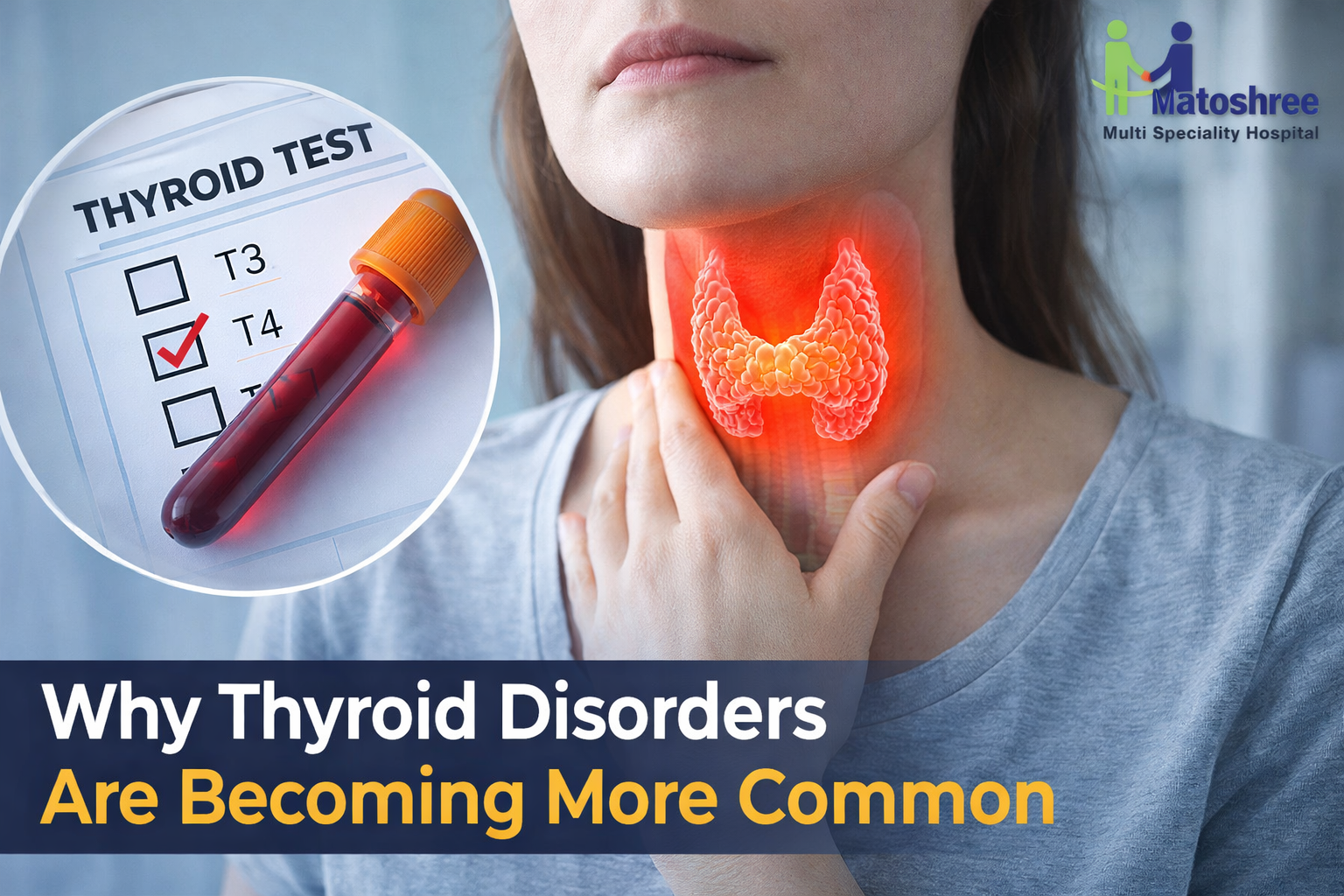
Thyroid disorders are being diagnosed more often than ever before. From unexplained fatigue and weight changes to mood swings and hair loss, more people are discovering that their thyroid may be affecting their overall health.
But why does thyroid disease seem more common now than it was a generation ago? Another common question is: what is the cause of thyroid problems and what causes thyroid disease to begin with?
The solution is a combination of genetics, lifestyle, environmental factors and better screening in medical care. Being aware of these causes can make you aware of the symptoms early and take measures to aid in thyroid health.
What Is the Thyroid and Why Does It Matter?
The thyroid is a small gland which is shaped like a butterfly and is found at the front of your neck. It secretes hormones that control metabolism, body temperature, heart rate, digestion and energy levels.
When the thyroid makes too little hormone, it can lead to hypothyroidism. When it makes too much, it can cause hyperthyroidism. Both conditions can affect daily life and long-term health.
7 Factors Behind the Rise in Thyroid Disease
When you have been wondering what causes thyroid problems, then it can usually be a combination of genetics, hormone changes, nutrition and environmental exposure. Knowing what leads to thyroid disease can be a step towards prevention and early treatment.
1. Family History and Genetics
Thyroid disorders are predominantly genetic. There is a possible increased risk in case the close relatives have thyroid disease, Hashimoto thyroiditis or Graves thyroiditis.
Although you cannot alter your genes, understanding your family history may enable you to track your symptoms and get early testing.
2. Aging and Hormonal Changes
Thyroid issues become more common with age. As people get older, hormone regulation may change, increasing the chance of thyroid imbalance.
Women may also notice thyroid-related symptoms during pregnancy, postpartum recovery, or menopause due to hormonal shifts.
3. Smoking and Environmental Toxins
Smoking exposes the body to chemicals that can interfere with thyroid hormone production and metabolism. It may also worsen autoimmune thyroid conditions.
Environmental toxins, including certain industrial chemicals and pollutants, may also place stress on endocrine function over time.
4. Poor Diet and Iodine Imbalance
The thyroid needs iodine to make hormones. Too little iodine can contribute to thyroid dysfunction, while excessive intake may also create problems in some people.
A diet low in nutrients such as selenium, zinc, and iron may further affect thyroid health.
Focus on balanced nutrition that includes whole foods, lean protein, healthy fats, and thyroid-supportive minerals.
5. Overuse of Supplements and Medications
Having a high dose of supplements without a doctor can influence the thyroid. Excessive intake of vitamins, minerals and herbal products can lead to hormone imbalances.
Certain drugs may interfere with or influence production or uptake of thyroid hormones too. These may include:
- Lithium
- Certain antidepressants
- Some chemotherapy medications
- Antacids taken frequently
In certain instances, hormonal drugs.
Do not begin or add supplements without the advice of a healthcare professional.
6. Obesity, Crash Dieting, and Metabolic Stress
Thyroid closely relates to body weight and metabolism. Obesity can also predispose chronic inflammation that has the potential to cause thyroid dysfunction.
Simultaneously, severe calorie deficiency, excessive workouts, or crash diets may decelerate the metabolism and influence the hormone synthesis.
A sustainable diet and exercise regime are more advantageous in the long-term thyroid support.
7. Alcohol Use and Lifestyle Stress
Excessive consumption of alcohol may interfere with thyroid hormone production and with the absorption of nutrients. Hormone balance and endocrine health can be influenced by poor sleep, chronic stress, and burnout, as well.
Healthier thyroid functioning can be achieved by limiting alcohol intake, improving the sleep pattern, and managing stress.
Why Are More Thyroid Conditions Being Diagnosed Today?
Better Screening and Awareness
Blood tests and imaging can now be used to determine thyroid issues at an earlier stage. Most of the cases must have been diagnosed in the previous generations.
Longer Life Expectancy
People are living longer, and thyroid disorders become more common with age. As a result, more cases are being detected.
What Causes Thyroid Disease? A Quick Summary
Thyroid disease, in most cases, occurs due to a combination of one or more theories: autoimmune disorders, family history, nutrient deficiencies, chronic stress, smoking, some medications, and hormonal changes with age.
Why do we have thyroid problems in life? you may be wondering? Bad diet, untreated stress, sleep deprivation, and untimely medical treatments are some of the frequent causes.
Common Signs You Should Not Ignore
Symptoms to watch out in include:
- Ongoing fatigue
- Sudden weight gain or loss.
- Hair thinning
- Mood changes
- Sensitivity to heat or cold
- Irregular heartbeat
- Dry skin
- Trouble sleeping
When to See a Specialist
If you notice persistent symptoms or have a family history of thyroid problems, early evaluation can make a big difference.
Testing may include thyroid blood work, antibody screening, and imaging when needed.
Final Thoughts
The increased prevalence of thyroid disease can be attributed to lifestyle changes in the modern world and to the enhanced diagnosis. The positive part is that through early diagnosis and appropriate treatment, there are most thyroid disorders that are treatable.
Be aware of your body, follow up on your health routines and consult an expert in case the symptoms are not down.




















 (1).png)