
What Is Pediatrics? Pediatrics Meaning, Scope of Paediatrics, and the Role of Pediatricians
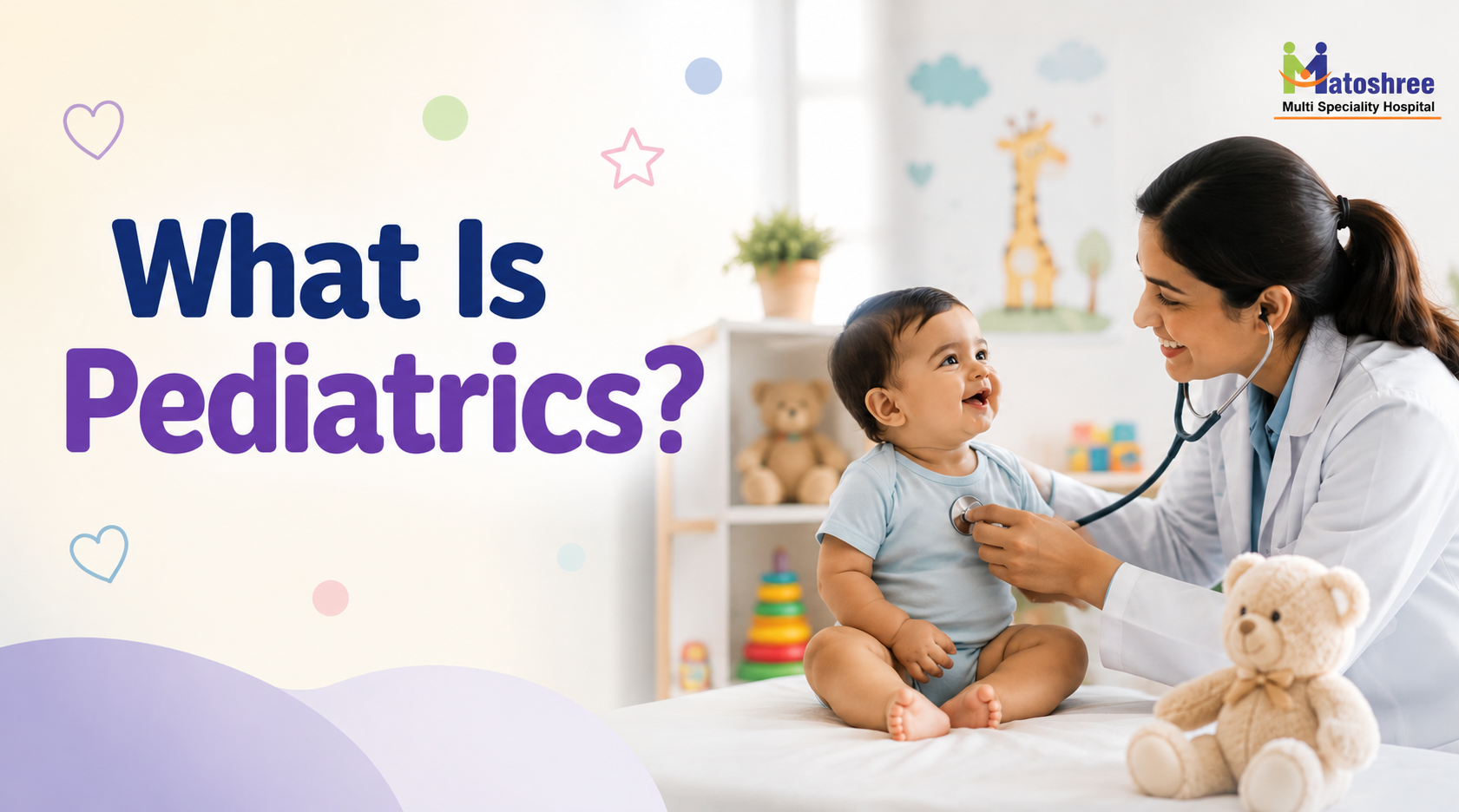
When seeking specialized health care for kids, many parents are likely to look into the pediatrics meaning. Paediatrics (or pediatrics in British English) is a special field of medicine concerned with treating infants, children, and adolescents.
The word pediatrics is derived from the Greek word pais (child) and iatros (healer or doctor). Thus, pediatrics is the direct care and treatment of children.
Paediatrics is a branch of medicine that deals with the prevention, diagnosis, treatment and management of diseases in children aged from birth to adolescence.
With a knowledge of the meaning of pediatrics, parents are better able to appreciate the need for specialized medical treatment for the children. Children's physical, emotional and developmental requirements are different from adults so paediatric care is tailored towards achieving healthy growth and general well-being.
There are also ways to help in the field of paediatrics:
- Regularly check on child growth and development
- Keep children safe from disease by immunizing them.
- Be able to identify children's health problems at an early stage
- Deal with chronic paediatric medical issues.
- Ensure emotional and behavioural wellbeing.
- Inform parents about child well being.
What is Paediatrics and why is it different to Adult Medicine?
The body of a child is in constant development and this is the uniqueness of paediatrics. A paediatrician has the necessary knowledge to cater for the health problems, developmental stages, nutritional needs and childhood diseases of children.
Paediatrics is different from adult medicine, in that its emphasis is on:
- Growth monitoring
- Childhood nutrition
- Vaccination schedules
- Developmental assessments
- Behavioral health
- Adolescent healthcare
What is the role of a Pediatrician?
A paediatrician or pediatrician is a medical doctor specializing in paediatrics and child health.
Childhood Medicine: A Pediatrician's Job Description
1. Routine Health Checkups
Pediatricians do routine checks on your child's health to check:
- Physical growth
- Weight and height gain or height gain.
- Nutritional status
- Hearing and vision
- Developmental milestones
2. Immunization and Preventive Paediatric Care
Vaccination stands out as one of the most crucial components of child health care that we can provide for children. All children are immunized as recommended by the national health schedule by pediatricians.
3. Childhood illnesses diagnosis and treatment
Pediatrics consists of the diagnosis and treatment of:
- Common colds
- Influenza and viral diseases.
- Asthma
- Allergies
- Skin conditions
- Digestive disorders
- Infections in the ears and throat.
4. Developmental Monitoring
Monitoring the developmental progress of children with regards to the following is an important part of paediatrics:
- Speech and language
- Motor skills
- Learning abilities
- Social interaction
- Emotional development
Common conditions seen in Pediatricians
Paediatrics is a broad specialty that deals with a variety of childhood illnesses.
Respiratory Disorders
Common respiratory problems treated in pediatrics include:
- Asthma
- Bronchitis
- Pneumonia
- Influenza
- Common cold
Digestive Conditions
Paediatricians frequently treat:
- Constipation
- Diarrhea
- Gastroenteritis
- Food intolerance
- Acid reflux
These are caused by allergies and skin problems.
Common conditions include:
- Eczema
- Food allergies
- Seasonal allergies
- Skin infections
- Contact dermatitis
Children who receive regular care have the following advantages:
Here are a few advantages of regular pediatrician visits:
- Early disease detection
- Timely vaccinations
- Healthy growth monitoring
- Better developmental outcomes
- Patients experience lower complication rates.
Children receive suitable medical care at all stages of their development with consistent paediatric care.
Conclusion
The meaning and role of paediatrics is very important for all parents to know. Paediatrics has an important role in the care of children, from their wellbeing and immunisations to diagnosis and tracking of development to help children grow into healthy adults. Scheduling regular check-ups with a qualified pediatrician can help determine health issues at an early age and ensure a child's physical, emotional, and developmental health is optimal.



















 (1).png)