
What Is a Critically Low Hemoglobin Level?
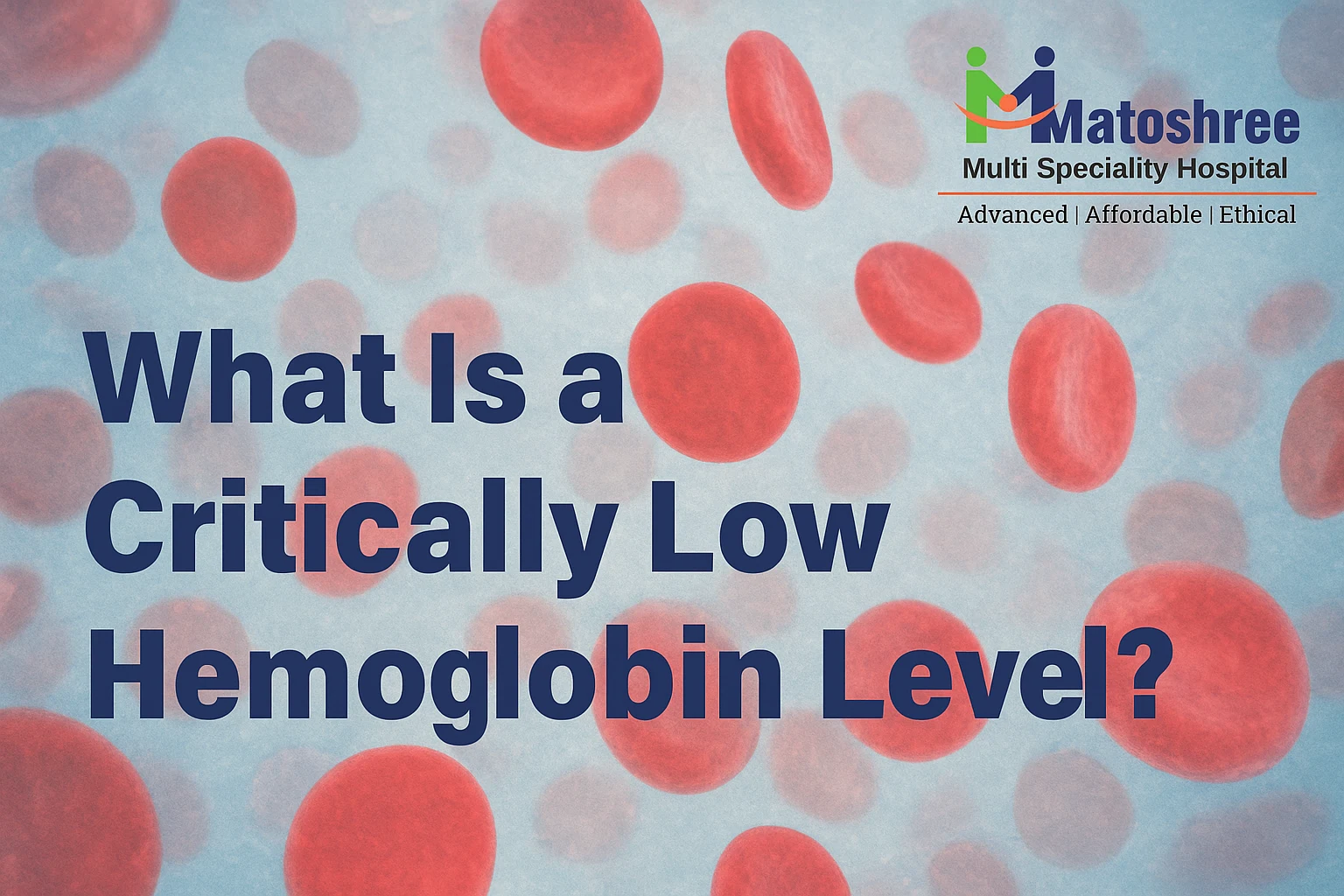
Your red blood cells contain hemoglobin, a protein that transports oxygen around your body. If hemoglobin is too low, your organs and tissues may not receive enough oxygen. A drop in hemoglobin may happen to anyone regardless of age, including women who are worried about hb level during pregnancy, as a mother's proper hemoglobin is vital to the health of her and her child. Fatigue and weakness can be caused by low hemoglobin but if hemoglobin drops too low, it can become a medical emergency.
What Does Low Hemoglobin Mean?
If your hemoglobin is low, your blood won't carry as much oxygen to your body. Hemoglobin is a protein in red blood cells containing iron which carries oxygen to tissues and organs. Low hemoglobin may mean that your body is not getting the oxygen it requires to function normally.
If your hemoglobin is low, you might be anemic, and this can happen due to iron deficiency, blood loss, chronic disease, vitamin deficiencies or bone marrow disease. Symptoms can vary from fatigue to serious complications which need to be treated quickly.
What is the function of hemoglobin in a human being?
Your red blood cells use hemoglobin to transport oxygen from your lungs to the rest of your body. Hemoglobin also carries carbon dioxide to the lungs to be expelled. If there is not adequate hemoglobin, the body might not be able to make energy efficiently.
Essential hemoglobin levels are important because all organs in your body need oxygen to function.
So, what is a normal hemoglobin level?
Normal hemoglobin values are age and sex dependent.
Normal levels of hemoglobin in the adult include:
| Group | Normal Hemoglobin Range |
|---|---|
| Adult men | 14 to 17.5 g/dL |
| Adult women | 12.3 to 15.3 g/dL |
| Children | Varies by age |
Healthcare providers will typically consider the following hemoglobin levels to indicate a low level of hemoglobin and anemia:
- < 12 g/dL in women
- < 11 g/dL in women
Low hemoglobin levels may be mild, moderate or severe depending on the underlying cause.
What is a low level of Hemoglobin?
When hemoglobin is at a very low level, typically the blood is unable to transport sufficient oxygen for normal function.
In many clinical situations:
- If the hemoglobin is less than 10 g/dL, it is very low.
- If the reading is less than 8g/dL it could be severe anemia.
Hemoglobin levels below 7 g/dL are considered to be very low and may need immediate medical attention or transfusion based on symptoms and health status.
Doctors don't just use the number. They also consider:
- Your symptoms
- How fast the blood is bleeding.
- Underlying medical conditions
- Oxygen levels
- Heart health
- The condition and age of the person.
A person who has a lower hemoglobin saturation for a long period of time can stand for the drop in saturation than another person who suddenly has low hemoglobin levels because of bleeding or injury.
Patients with critically low hemoglobin will exhibit the following symptoms:
If the hemoglobin level gets too low, symptoms may be serious and emergency treatment may be needed.
Common signs and symptoms of low hemoglobin are:
- Extreme fatigue
- Shortness of breath
- Dizziness or fainting
- Rapid heartbeat
- Chest pain
- Pale or yellowish skin
- Cold hands and feet
- Weakness
- Confusion
- Headaches
If low hemoglobin symptoms include: seek immediate medical attention:
- Breathlessness is severe and suddenly occurs.
- Chest pain
- Fainting
- Rapid worsening weakness
- Difficulty staying awake
Causes of Low Hemoglobin
There are several reasons why the hemoglobin may be low or severely low.
Iron-Deficiency Anemia
This is the most frequent cause of low hemoglobin level. It occurs when there is insufficient iron available to produce hemoglobin.
Common causes include:
- Poor diet
- Heavy menstrual bleeding
- Gastrointestinal bleeding
- Pregnancy
- Poor iron absorption
- Blood Loss
The amount of hemoglobin can drop rapidly in the case of sudden or chronic blood loss.
Possible causes:
- Trauma or injury
- Surgery
- Stomach ulcers
- Internal bleeding
- Colon disorders
- Vitamin Deficiencies
Low levels of vitamin B12 or folate in the body can lead to low levels of hemoglobin, and healthy red blood cells may not form.
Chronic Diseases
Some diseases can affect the production of red blood cells, such as:
- Chronic kidney disease
- Autoimmune disorders
- Infections
- Inflammatory diseases
- Neurological, Immune Deficiency and Skin Disorders, Cancer, Bone Marrow Disorders.
Some other diseases or cancer treatments, such as chemotherapy, may decrease the body's ability to produce red blood cells and maintain normal levels of hemoglobin.
How a doctor may diagnose low hemoglobin
Low hemoglobin is usually diagnosed by blood tests such as:
- Genetic testing for Complete blood count (CBC)
- Hemoglobin test
- Iron studies
- A test to check the level of Vitamin B12 and folate.
- Reticulocyte count
Hemoglobin electrophoresis is carried out in some instances.
More tests may be required to find out what is causing low levels of hemoglobin.
Treatment for serious anemia (low Hb)
The treatment of low hemoglobin will vary depending on the cause and severity.
Options may include:
Iron Supplements
It has been used in iron-deficiency anemia. In some cases, people may need to receive IV iron infusions to boost hemoglobin levels.
Vitamin Replacement
If the low hemoglobin is due to vitamin B12 or folate deficiencies, then supplements may be helpful.
Treating Underlying Conditions
Treatment of any chronic disease, cessation of bleeding or treatment of infections can help restore normal Hb levels.
Blood Transfusions
Blood transfusion may be necessary to quickly raise the level of hemoglobin to raise oxygen-carrying capacity, in cases of critically low hemoglobin and severe symptoms.
Some foods may help keep hemoglobin levels healthy.
A healthy diet can help to naturally keep your red blood cells healthy and help in improving your Hemoglobin levels.
Iron-rich foods include:
- Lean red meat
- Liver
- Spinach
- Kale
- Lentils
- Beans
- Fish
- Nuts
High vitamin C foods can also enhance the absorption of iron and promote normal hemoglobin levels.
When to Go to the Doctor?
If you have any of the following problems, you need to get medical help:
- Persistent fatigue
- Shortness of breath
- Dizziness
- Rapid heartbeat
- Pale skin
- Unexplained weakness
If the symptoms of low hemoglobin are very severe or are getting worse, contact the emergency room for immediate treatment.
Conclusion
Low levels of hemoglobin may decrease the oxygen supply to your body's organs and tissues. Low hemoglobin, if it is mild, may only result in fatigue while if it is very low, it can be fatal if not treated quickly. It is important to find the cause to adequately manage and recover the hemoglobin level to health. People also look for anemia meaning in Marathi so that they can have a better understanding of this disease and its symptoms in their native language.


















 (1).png)