
What Does a Gynaecologist Do? Complete Guide to Gynaecology and Women's Health
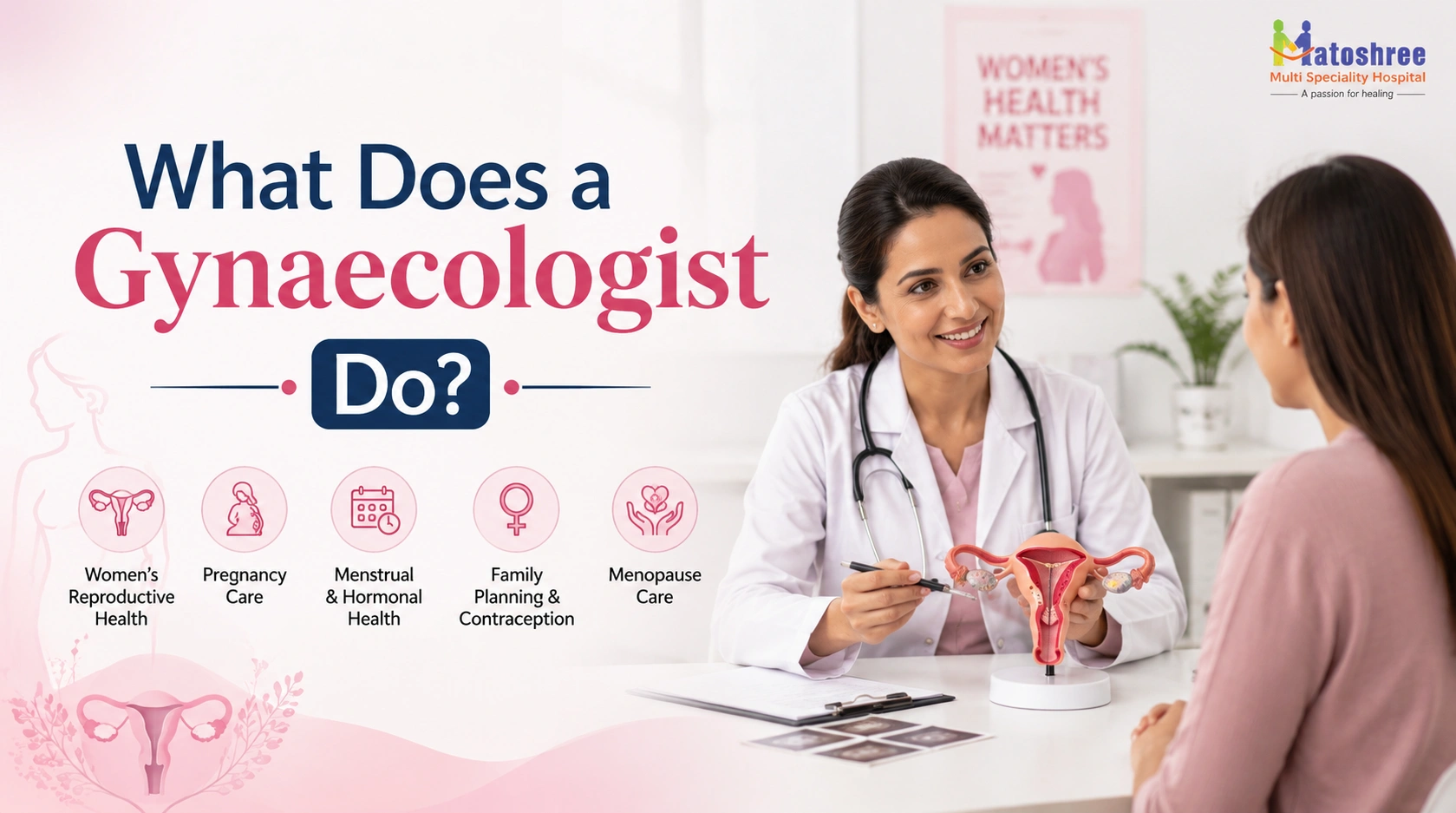
Reproductive health is a key component of women's health and well-being. A Gynaecologist in Kamothe may be required to diagnose, treat, and manage a variety of different health issues, ranging from irregular periods to pelvic pain problems, fertility concerns, or menopausal symptoms.
Women are able to make informed decisions about their healthcare at every age if they have an understanding of the role of the gynaecologist, what a gynaecologist does, and when to seek their professional medical assistance.
What is a Gynecologist?
A gynaecologist specializes in diagnosing, treating, and preventing diseases of the female reproductive system.
A gynaecologist offers specialized treatment to these organs:
- Uterus
- Ovaries
- Cervix
- Vagina
- Fallopian tubes
- Vulva
A woman visits her gynaecologist for routine health screening, menstrual issues, contraception, fertility issues, pregnancy planning, and menopausal management.
Gynaecologists are also obstetricians and offer services for pregnancy and childbirth.
What Is Gynaecology?
Gynaecology is the medical field dealing with women's sexuality. It includes diagnosis, treatment, prevention, and management of disorders of the reproductive organs and hormonal functioning in women.
Gynaecology encompasses some means of health care, such as:
- Menstrual disorders
- Polycystic Ovary Syndrome (PCOS)
- Endometriosis
- Ovarian cysts
- Uterine fibroids
- Fertility issues
- Menopause care
- Cervical cancer screening
- Health and reproduction.
Women should get a gynaecology test regularly, as it can help detect health issues in the early stages and promote long-term reproductive health.
How do Gynaecologists Work?
Most often, people ask this question: “What is a gynaecologist?”
Gynaecologists offer several health services related to the reproductive and hormonal health of women.
Gynaecologists Diagnose Health Conditions
A gynaecologist will be able to diagnose conditions, including:
- PCOS
- Endometriosis
- Ovarian cysts
- Uterine fibroids
- Pelvic inflammatory disease
- Hormonal imbalances
- Infertility issues
- Menstrual disorders
The gynaecologists offer preventative health care.
Preventive gynaecology services can consist of:
- Annual wellness examinations
- Cervical screening tests
- HPV screening
- Breast health assessments
- Sexual health consultations
Gynaecologists are the doctors assigned to manage women's reproductive health.
Women may see a gynaecologist for the following reasons:
- Birth control advice
- Family planning
- Fertility evaluations
- Pregnancy preparation
- Menopause treatment
Gynaecologists Perform Procedures
A gynaecologist might undertake:
- Pap smears
- Colposcopy
- Endometrial biopsy
- Ultrasound examinations
- Minimally invasive surgeries
When to Visit a Gynaecologist?
Many women look into the question of “when should I see a gynaecologist?” This will vary based on symptoms, age, and health requirements.
If you have any of the following symptoms, think about making an appointment with a gynaecologist:
Irregular Menstrual Cycles
A gynaecologist can investigate:
- Missed periods
- Heavy menstrual bleeding
- Spotting between periods
- Severe menstrual cramps
Pelvic Pain
Long-term pelvic pain can be related to:
- Endometriosis
- Ovarian cysts
- Fibroids
- Pelvic infections
Fertility Problems
A specialist doctor who specializes in women will be able to evaluate:
- Ovulation disorders
- Hormonal issues
- PCOS-related infertility
- Reproductive abnormalities
Menopause Symptoms
Women going through menopause may wish to speak to a gynaecologist about:
- Hot flashes
- Night sweats
- Mood changes
- Sleep disturbances
- Vaginal dryness
Vaginal Health Concerns
A gynaecologist should check:
- Unusual discharge
- Itching
- Burning sensations
- Recurrent infections
- Pain during intercourse
A gynaecologist or ob/gyn may treat a variety of conditions, including, but not limited to, the following:
Polycystic Ovary Syndrome (PCOS)
PCOS is a condition where the body produces an excess of certain hormones and typically results in the following symptoms:
- Irregular periods
- Weight gain
- Acne
- Excess hair growth
- Fertility issues
A gynaecologist can develop a personalized PCOS treatment plan.
Endometriosis
Endometriosis is the presence of tissue that resembles the lining of the uterus in locations outside the uterus.
Common symptoms include:
- Severe period pain
- Chronic pelvic pain
- Pain during intercourse
- Fertility challenges
Ovarian Cysts
While most of the ovarian cysts are harmless, some need to be monitored or treated by a gynaecologist.
Symptoms may include:
- Pelvic discomfort
- Bloating
- Irregular bleeding
Uterine Fibroids
Fibroids are growths that are not cancerous and can lead to:
- Heavy periods
- Pelvic pressure
- Frequent urination
- Reproductive complications
Menstrual Disorders
A gynaecologist may be able to help with the management of:
- Heavy periods
- Painful periods
- Irregular periods
- Absent menstruation
What to Expect at Your Gynae Examination?
There's a high level of anxiety that many women experience before their initial gynaecologist visit. Knowing what to expect can help to ease the experience.
Medical History Review
Your gynaecologist might ask you about:
- Menstrual cycle patterns
- Previous pregnancies
- Sexual health history
- Current symptoms
- Family medical history
Discussion of Symptoms
Be prepared to explain:
- When symptoms began
- Their severity
- The frequency of their occurrence
- All medicines you use
Physical Examination
Your GP or gynaecologist might suggest the following:
- Pelvic examination
- Pap smear
- Ultrasound scan
- Hormonal blood tests
An examination should only take place with your consent.
How often should you go to the gynaecologist?
All women should have regular gynaecology examinations to support reproductive health.
For many women, the benefits of:
- Annual gynaecologist visits
- Cervical cancer screening
- Find out about your child's reproductive health before they begin to start having kids.
- Treatment for chronic diseases
Some women with PCOS, with endometriosis, fertility issues or menopausal symptoms may need more frequent visits.
How to Choose the Right Gynaecologist
When picking a gynaecologist, remember to:
- Qualifications and experience
- Areas of specialization
- Communication style
- Patient reviews
- Availability of appointments
- Clinics and diagnostic services are available to those who need them.
Conclusion
Selecting the right gynaecologist can greatly enhance your healthcare journey and treatment results.
A gynaecologist is highly important in women's health, as their diagnosis and treatment of reproductive health problems, as well as preventive care at all stages of life. By understanding the role of a gynaecologist, the profession of gynaecology, and what gynaecologists do, women can have greater control over their health and reach out to their gynaecologist for help if they need it.
Regardless of whether you have irregular periods, PCOS, fertility issues, menopause symptoms, or you're simply getting regular check-ups, regular visits to a qualified gynaecologist can help keep you in optimum reproductive health and well-being.




















 (1).png)