
Things to Avoid in Pregnancy: Foods, Drinks, and Daily Habits You Should Know
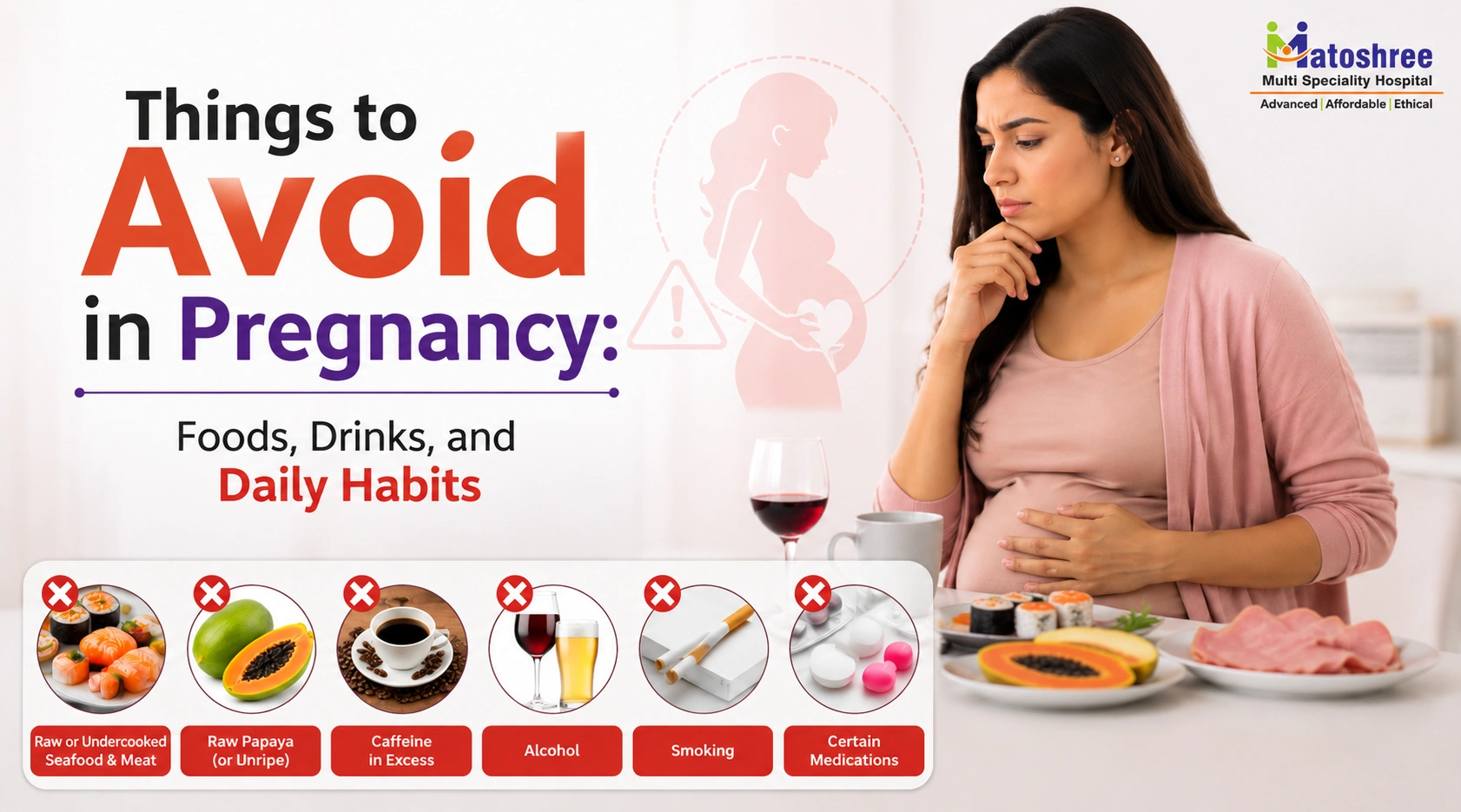
One of the most exciting times of life is pregnancy, and for both mother and baby, you will have to make healthy choices during this period. Knowing which to avoid while pregnancy can help to minimize the likelihood of problems and ensure your baby's healthy development. It's as important to know what you should avoid as it is to know how to choose healthy meals.
When pregnant, you may not know what food to eat and what to avoid. Always consult an experienced doctor of a reputed maternity hospital in Navi Mumbai. Medical recommendations help you to have a safe pregnancy journey, while still fulfilling your nutritional requirements.
1. Raw or Semi-Ripe Papaya
Papaya latex and enzymes might induce uterine contractions, particularly in the first few months of pregnancy. This is one of the essential things to avoid while pregnancy. Papaya is safe when eaten in moderation, but avoid eating the raw form or papaya that is not quite ripe unless your doctor says otherwise.
Instead, eat fruits such as apples, bananas, oranges, and pears, which have vitamins and fiber that do not pose risks during pregnancy. The fruits build up your baby's immune system, aid in digestion, and supply nutrients for overall health. Please check with your health care provider for individual recommendations if you have any concerns about using some of these fruits.
2. Unpasteurized Milk and Dairy Products
Milk and milk products are rich in calcium – but only if they are pasteurized. Some raw milk and dairy products can contain dangerous bacteria like Listeria, Salmonella and E. coli that can lead to pregnancy-related illness.
Always drink boiled/pasteurized milk and get milk from trusted suppliers. Navi Mumbai has a top maternity hospital, which also advises against soft cheeses produced from raw milk. Dairy consumption is safe and beneficial for your baby's bones and will help lower the chance of food-borne illnesses that could harm pregnancy.
3. Pineapple in Large Quantities
Excessive pineapple consumption can result in an excessive amount of bromelain, an enzyme that can soften the cervix. While it's sometimes safe to consume small quantities, larger amounts are not recommended during early pregnancy.
In the case of what to eat and not eat during pregnancy, pineapple can be substituted with fruits higher in vitamin C, such as sweet lime, kiwi, or oranges. The fruits also assist in enhancing iron absorption, as well as strengthening the immune system. Eat a mix of fresh fruits, in moderation, as part of a well-balanced pregnancy diet.
4. Street Food and Unhygienic Snacks
Street foods like pani puri, bhel puri, sandwiches, and chaats can be affected by unhygienic preparation methods and contaminated water. These foods can lead to food poisoning, stomach infection, and diarrhea.
Making some of your favorite snacks at home with fresh ingredients is always healthier when you're expecting. Home cooking gives you the opportunity to use good ingredients, oil, and spices, and ensure that good hygiene is maintained. If you prepare your own meals, the chances of getting pregnant and infected with bacteria are reduced significantly.
5. Fried and Oily Foods
Excessive deep-fried foods (samosas, pakoras, and bhajiyas) can cause adding up of weight gain, acidity, indigestion, and a high risk of gestational diabetes.
When it comes to common foods to avoid during pregnancy, individuals who steer clear of oily and processed foods can remain healthier in their digestive system, which leads to a healthy pregnancy. Rather, choose foods that are grilled, baked, steamed, or lightly sautéed to make them easier to digest. Healthy cooking techniques ensure that you are getting important nutrients without the extra fat and calories.
6. Excessive Tea, Coffee, and Energy Drinks
Caffeine should be restricted during pregnancy. Excessive caffeine consumption can lead to miscarriage, low birth weight, and poor fetal development.
The general rule for this is to limit the amount of caffeine to 200 mg/day. Instead of having several cups of coffee, opt for milk, coconut water, or fresh fruit juices. Also, you should only drink herbal teas after speaking with your doctor because some herbs could not be beneficial to drink if you are pregnant. Drinking water-rich fluids is beneficial for both mother and child.
7. Raw or Undercooked Eggs, Meat, and Seafood
Raw eggs, undercooked chicken, meat, and seafood can contain bacteria or parasites that can have serious consequences for mother and baby.
Cook food well, and don't eat sauces or dishes with raw eggs, including mayonnaise, mousse, or some desserts. It is one of the basic answers to questions of what not to do during pregnancy to ensure that food is safe to eat. Harmful microorganisms are eliminated through proper cooking, and the risk of infection, such as salmonella or toxoplasmosis in pregnancy, is greatly minimized.
8. Too Much Spicy Food and Pickles
Spicy food won't directly affect your baby, but too much can irritate your baby's stomach, cause heartburn, bloat, and make your baby feel uncomfortable.
Pickles are also a high source of sodium, which can lead to water retention and high blood pressure. Balance is the key to a pregnancy diet – moderation. Making mildly spiced foods at home can help alleviate digestive discomfort without losing out on the taste of flavorful foods during pregnancy.
9. Unwashed Fruits and Vegetables
Fresh fruits and vegetables are an excellent source of nutrients and these must be washed thoroughly before consumption. Unaffected produce may be contaminated with pesticides, pathogens or organisms which could predispose them to infection.
Experts at a reputed maternity hospital in Navi Mumbai advise washing fruits with running water and cooking vegetables properly as much as possible. Eating fruits that have been peeled and not getting pre-cut fruits from outside food vendors can also help prevent contamination. Proper food hygiene is a crucial aspect of a healthy mother-to-be.
10. Alcohol, Tobacco, and Smoking
Tobacco and alcohol should be avoided during pregnancy. Drinking alcoholic beverages can disrupt your baby's brain development, and smoking can make your baby more likely to be born too early, to have low birth weight, or to be born dead.
It's also crucial to avoid passive smoking for the baby's health. Secondhand smoke can also impact fetal development and raise the threat of postnatal respiratory issues. A smoke-free environment is conducive to a healthier pregnancy and better outcomes for mothers and babies.
Daily Habits to Avoid During Pregnancy
Besides food choices, several lifestyle habits should be avoided:
- Lifting heavy objects
- Skipping prenatal check-ups
- Taking medicines without medical advice
- Sleeping very late regularly
- Sitting continuously for long hours
- High-intensity workouts without approval
- Stress and inadequate sleep
- Self-medication and herbal supplements
Avoiding unhealthy habits in everyday life that can harm the mother's and baby's health is part of knowing what to avoid during pregnancy. Regular sleep, regular exercise (as recommended by the doctor) and routine prenatal appointments all help a woman enjoy a healthy pregnancy. There are many small lifestyle changes you can make that can have a great impact on your baby's development.
What to Eat Instead During Pregnancy
Knowing what to eat and not to eat when pregnant helps maintain proper nutrition throughout pregnancy. Include the following foods in your daily diet:
- Fresh seasonal fruits
- Green leafy vegetables
- Whole grains
- Lentils and pulses
- Milk, curd, and paneer made from pasteurized milk
- Nuts and seeds
- Eggs (fully cooked)
- Lean protein sources
- Plenty of water and fresh fluids
A well-balanced pregnancy diet helps maintain a healthy baby and ensures a healthy mother during all three trimesters. Eat foods high in iron, calcium, folic acid, protein, and healthy fats as much as possible each day. Small meals closer together throughout the day may also help to avoid this nausea and aid in digestion during pregnancy.
When Should You Visit a Doctor?
Seek immediate medical attention if you experience:
- Severe abdominal pain
- Heavy bleeding
- Persistent vomiting
- High fever
- Reduced baby movements
- Severe headaches or blurred vision
- Swelling of the face or hands
Regular check-ups at a reputable maternity hospital in Navi Mumbai are essential for early detection of any potential issues and for the health of both the mother and the baby. Early diagnosis is important, even if the symptoms are unusual, to prevent serious complications. Proper medical treatment gives reassurance and helps to make a pregnancy safer.
Conclusion
Choices made during pregnancy make an important difference to the safety of delivery and a healthy baby. Knowing what to avoid during pregnancy, making healthy food choices, and adhering to your doctor's instructions can minimize undue risks and make your pregnancy go better.
However, if you are still in doubt about which food items to eat and which not to eat during pregnancy, do consult experienced obstetricians at a reliable maternity hospital in Navi Mumbai for personalised pregnancy care, dietary advices and regular ante-pregnancy monitoring. Selecting the right maternity hospital in Navi Mumbai guarantees you top-notch assistance during each phase of your pregnancy journey.








 (1).png)