
Immunity-Boosting Foods for Kids: Best Foods for a Strong Immune System
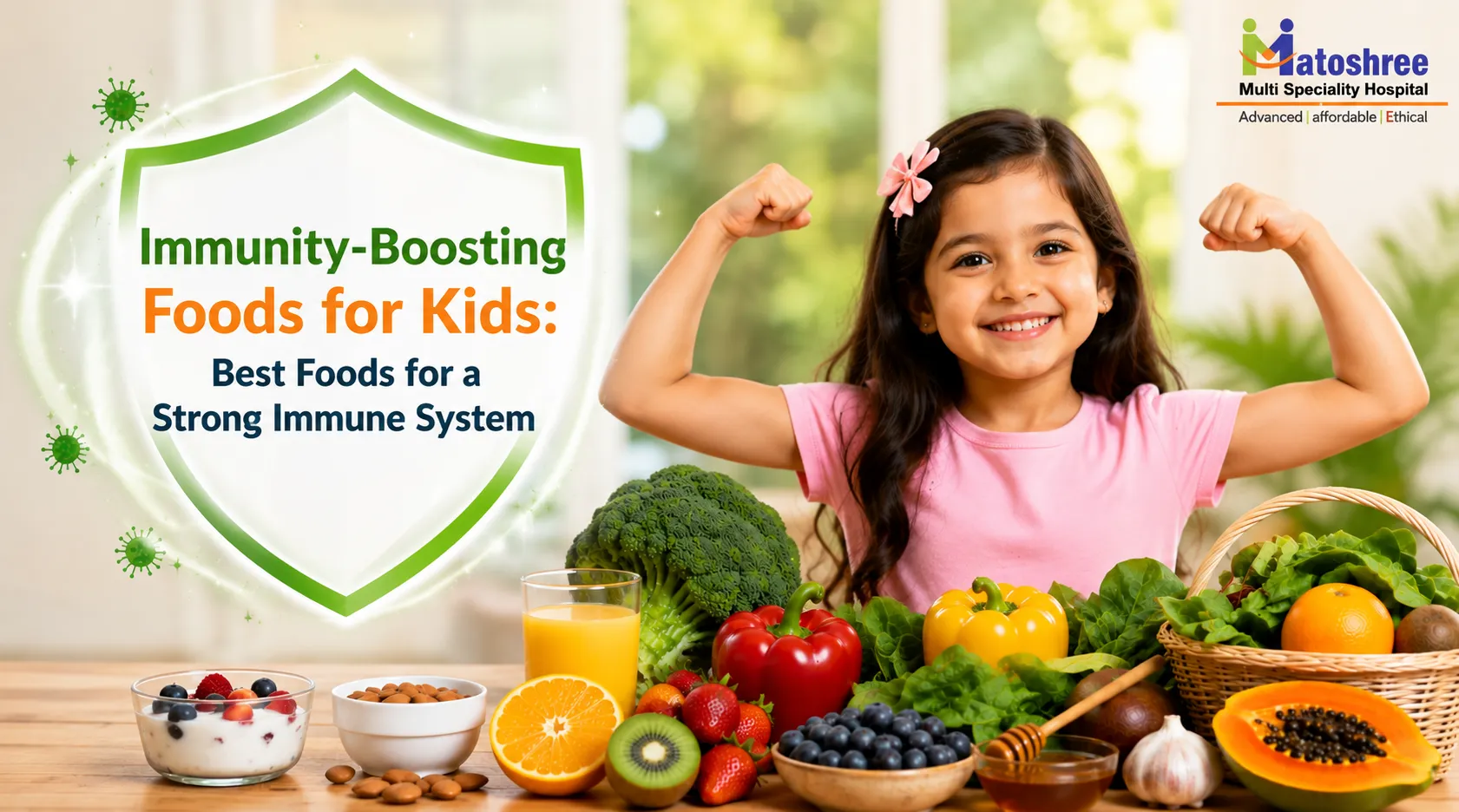
Parents are always searching for ways to keep their kids healthy, particularly during changes of weather when colds, coughs and other infections are prevalent. How to boost immunity in kids can be strengthened by giving a balanced diet, proper sleep and exercise, hygiene and having the necessary vaccinations.
No one food is a cure for illness, but a diet of a wide range of nutritious foods can help promote normal immune function and healthy development. The right immunity boosting foods for kids can help children get the vitamins, minerals, protein and healthy fats they need as part of a well-rounded diet.
Why Is a Healthy Immune System Important for Kids?
Children's nutritional needs are constantly changing throughout their growth and development, and they require sufficient nutrients to build and strengthen their immune system. Protein, iron, zinc and vitamins A, C and D are all essential for the normal functioning of the body and immunity.
For the parents who are curious about how to increase immunity in kids, they should consider lifestyle changes rather than a particular food or supplement.
A healthy diet can contribute to:
- We have a normal immune system function.
- The ability to grow and develop in a healthy manner.
- Excellent bones and muscles
- Healthy digestion
- Energy and concentration
- Overall physical well-being
Best Immunity-Boosting Foods for Kids
1. Citrus FruitsOranges, sweet lime, lemons and other citrus fruits are a source of vitamin C; fresh fruits may be served as snacks or in a fruit salad.
Fruits should be eaten in an age-appropriate form with younger children to make their eating safe and easy.
2. Yogurt and CurdCurd and plain yoghurt are excellent sources of protein and good bacteria which may help the digestive system. A healthy digestive system is a vital component to overall health.
Curd can be eaten along with meals, or plain yogurt can be mixed with fresh fruits as a healthy snack.
3. Green Leafy VegetablesLeafy vegetables like spinach, methi, etc. have nutrients like iron, folate and fibre.
In case your child doesn't like eating vegetables, try adding them to dal, paratha, dosa, soups or other familiar foods.
4. Nuts and SeedsAlmonds, walnuts, chia seeds, flaxseeds and pumpkin seeds are loaded with healthy fats, protein, and micronutrients.
Whole nuts can be a choking hazard for small children and should therefore be given in a form suitable for their age. Parental awareness of potential food allergies should also be taken into consideration.
5. EggsEggs are an easy-to-obtain source of good protein and have a number of vitamins and minerals. These can be added to breakfast or other meals based on the child's food choices.
Protein can be sourced from alternatives like paneer, tofu, dals and beans in the case of vegetarian children.
6. Colourful VegetablesCarrots, pumpkin, sweet potatoes, tomatoes and other colourful vegetables are rich in various nutrients.
Adding different coloured vegetables to the diet throughout the week is easy to do to add variety and nutrition.
7. Whole GrainsOats, brown rice, whole wheat, ragi and other whole grains are a good source of fibre and essential nutrients.
They can be included in the diet of parents via oats, whole-wheat roti, dalia and millet-based foods.
8. Pulses and BeansLegumes like dal, rajma, pea, etc. are a source of plant protein and fibre.
A regular consumption of pulses can help to make children's meals nutritionally balanced and filling.
9. Seasonal FruitsSeasonal fruits like apples, bananas, papaya, guava, and berries are rich in vitamins, minerals, and fibre.
A variety of fruits can be given during the week to provide children with a broader range of food.
10. WaterProper hydration is necessary for proper body functioning. Remind children to drink water often, especially during the hot days of year and after exercising.
Sugary drinks are typically not the best choice of drink over water.
How to Increase Immunity in Kids Naturally?
When looking for immunity booster food for children, keep in mind that diet is not the only factor that can affect immunity. To be healthy, you should have:
- A diet rich in different, well-balanced foods.
- Good age-appropriate sleep, based on child's age
- Regular physical activity
- Good hand and personal hygiene.
- Recommended childhood vaccinations
- Adequate hydration
- Continuous health and growth check-up.
Parents are not encouraged to feed their child one “superfood” each day but rather offer him or her a variety of healthy food items on a regular basis.
How to Include Immunity Booster Foods for Kids in Daily Meals
Having healthy foods on the table rather than giving kids special foods labelled as immune boosters is more effective.
A basic eating plan can consist of:
- Breakfast: Eggs or another protein source + whole grains + fruit
- School Snack: A healthy treat like fresh seasonal fruit or other healthy snack.
- Lunch: Dal or beans + vegetables + roti or rice + curd
- Evening Snack: Fruit, curd or another healthy snack
- Lunch: Vegetables + protein source + whole grains
The amount and quality of food needed may be different for a child depending on the child's age, activity level, growth pattern and individual nutritional needs.
Are Immunity-Boosting Supplements Necessary for Children?
There are a lot of immunity booster supplements that are advertised for parents. But not all children need supplements.
Unless a qualified health care professional recommends their use, supplements should never be used unless they are specifically required due to a nutritional requirement or a deficiency diagnosis.
Balanced diet, sufficient sleep, physical activity, hygiene and recommended vaccinations are still vital to children's health.
Tips for Children Who Are Picky Eaters
Certain children might reject vegetables, fruits or new foods. Gradually get parents to make healthier choices by:
- Feeding only small amounts of new foods.
- Providing alternative healthy options
- Enhancing familiar dishes through the inclusion of vegetables.
- Professional children's participation in simple production of food
- Avoiding force-feeding
- Staff and children sit together for meal and snack times.
- Offering healthy foods again and again, but without forcing them to eat them.
It may take multiple exposures for a child to eat a food or food item the first few times they try it.
When Should You Consult a Pediatrician?
Infected occasionally, especially as a child. But if parents are worried about:
- Failure to make adequate weight gain or growth.
- Persistent poor appetite
- Infections that occur often or are severe.
- Prolonged tiredness
- If there is vomiting or diarrhea more than once.
- A few options for food.
- Possible nutritional deficiencies
- Delayed development
- Any persistent or troubling symptoms
A paediatrician will assess the child's overall development, health and nutrition and give advice accordingly.
Is Doppler Ultrasound Safe During Pregnancy?
Doppler ultrasound is a technique that relies on ultrasound waves and not on ionising radiation.
However, it is to be done by trained healthcare professionals when medically appropriate. Your doctor will decide if Doppler imaging is needed depending on your pregnancy and medical needs.
Expert Pediatric & Neonatology Care for Your Child
While nutrition plays a key role in your child's overall health, good sleep habits, physical activity, cleanliness, immunisations, and other healthy practices are also essential for immunity.
If you have concerns regarding immunity, nutrition, growth, frequent illnesses or development, timely medical advice can be used to determine and address the potential concerns.
Want to find the Best Pediatrician & Neonatologist in Kamothe? Seek the best pediatric and neonatal care at Matoshree Multispeciality Hospital Kamothe for guidance on nutrition, growth and development; immunity and general care of your child.
Make an appointment today and set your child up for healthy growth and development.
Frequently Asked Questions
How to boost immunity in kids?
Ensure a diverse, balanced diet, sleep, regular activity, hygiene, sufficient fluid intake and recommended vaccinations to support children's immunity. If you have any concerns about your child's health or development, see a pediatrician.
Which foods increase immunity in children naturally?
No one food is going to provide a dramatic boost to your immunity. A diverse diet with fruits, vegetables, and sources of protein (such as plant-based options), whole grains, and healthy fats can help ensure the body receives the necessary nutrients for proper immune function.
How to increase immunity in kids naturally?
Emphasize healthy diet, adequate rest, exercise, fluids and hygiene and recommended vaccinations. Don't just increase the intake of single foods or supplements that are supposed to boost immunity.
What are the best immunity booster foods for kids?
Vegetables, fruits, seasonal vegetables, curd, eggs, pulses, whole grains, nuts and seeds are all part of a balanced diet for children. The right food and portion sizes vary with the age and needs of the child.


















 (1).png)