
How Soon Can You Notice Pregnancy Symptoms?
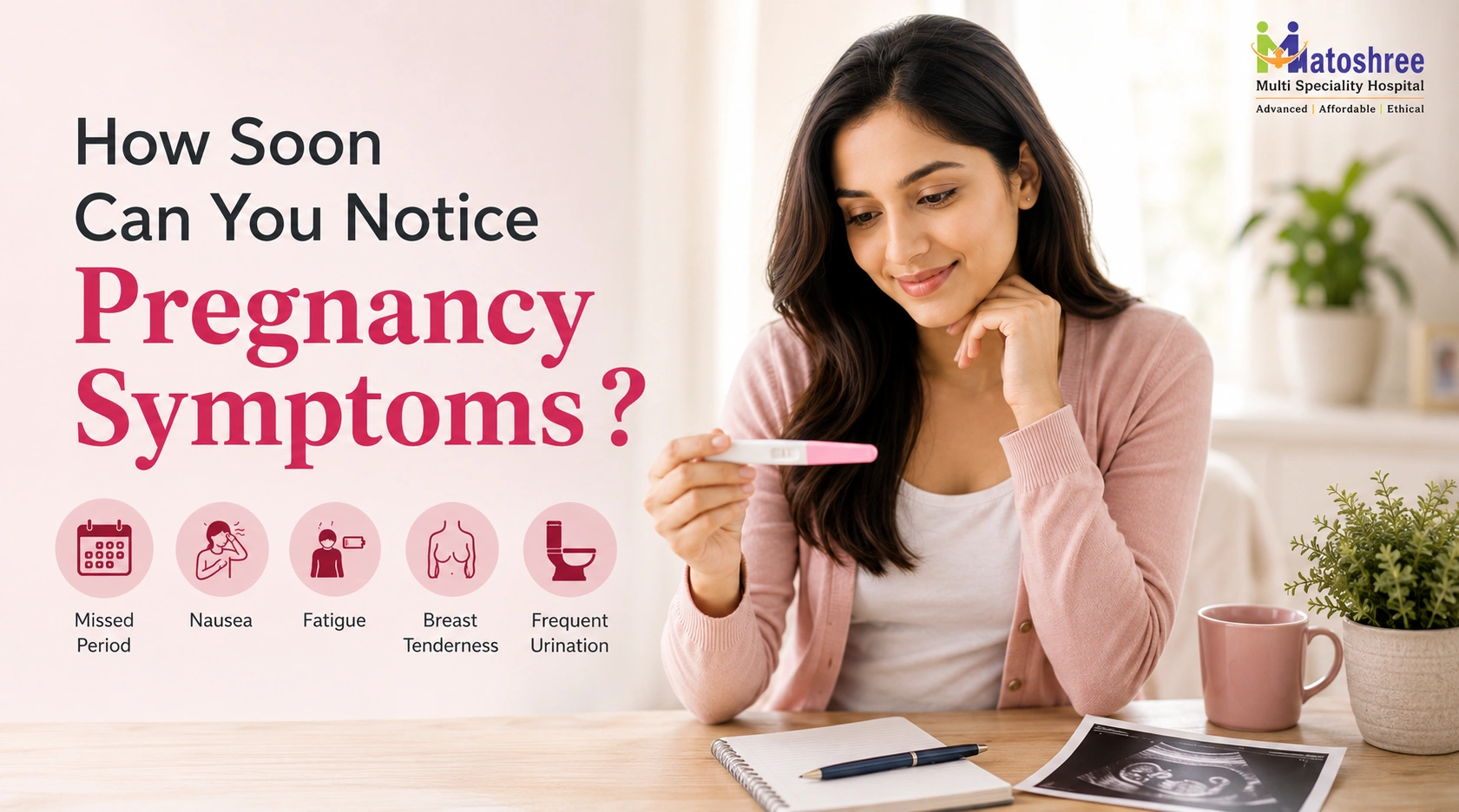
Pregnancy is a wonderful event, and one of the initial inquiries that many women ask is "how soon can you see pregnancy symptoms?" Each pregnancy is unique, but for some women, the changes are actually subtle and become apparent within a week of conception, while for others, it takes a few weeks.
Knowing the early pregnancy signs and symptoms can help you be aware of the changes in your body and when to take a pregnancy test or see a health care provider. It is important to note that numerous early pregnancy symptoms can also be similar to the symptoms of PMS, and testing is necessary for confirmation.
When Do Pregnancy Symptoms Start?
One of the most frequently asked questions is: When do pregnancy symptoms begin? Usually, symptoms are not encountered before the 4th or 6th week after conception. In some women, however, the changes are only slight and occur during the initial 6–12 days after the fertilized egg attaches to the lining of the uterus.
It is dependent on the hormones, implantation, and body reactions. A few women may have several symptoms after they conceive, and a few others may have few or no early symptoms at all.
Pregnancy Timeline: What to Expect
Week 1 After Conception
During the first week, the body begins producing pregnancy hormones, but hormone levels are still relatively low.
Possible pregnancy symptoms in the first week include:
- Mild cramping
- Light implantation spotting
- Increased tiredness
- Breast sensitivity
- Slight rise in body temperature
Not everyone experiences these changes, and many women have no noticeable symptoms during this stage.
Week 2–3 After Conception
As hormone levels continue to rise, more early pregnancy symptoms may appear, including:
- Fatigue
- Frequent urination
- Mood changes
- Mild bloating
- Food aversions
- Heightened sense of smell
These changes occur because the body is adapting to support the growing embryo.
Week 4 and Beyond
By the fourth week, many women notice the first signs of pregnancy, particularly if they have missed their expected menstrual period.
Common pregnancy symptoms in the first month include:
- Missed period
- Breast tenderness
- Morning sickness
- Nausea
- Fatigue
- Mood swings
- Increased appetite
- Frequent urination
This is also the stage when most home pregnancy tests become accurate.
Common Early Pregnancy Symptoms
Although every pregnancy is unique, these are some of the most frequently reported symptoms of early pregnancy.
1. Missed Menstrual Period
The first and most obvious symptom of pregnancy is a missed period, particularly for women who have a consistent period cycle. Once conception occurs, pregnancy hormones are produced, inhibiting the development of ovulation and menstruation. A missed period is not necessarily the first sign of pregnancy, but it's one of the most common ones. However, some medical conditions, hormonal problems, and stress can also cause a delay in menstruation, so it is best to take a pregnancy test to confirm.
2. Implantation Bleeding
When the egg is implanted in the uterine lining, some women get light spotting, which is called implantation bleeding. This typically happens 6-12 days after conception and is a lighter period than a regular one. The bleeding is usually pink or brown and will last for a few hours to 2 days. This usually occurs before a woman's period, hence many women confuse it as one of the signs of pregnancy before a missed period.
3. Breast Tenderness
Breasts feel swollen, heavy, tender, or unusually sensitive soon after conception as a result of hormonal changes. Some may feel tingling or pain during the wear of a bra. Also, the nipples might become more noticeable, and the areolas could darken in preparation for lactation. One of the most common early pregnancy symptoms is these changes in the breasts.
4. Fatigue
Early signs and symptoms of pregnancy include feeling unusually tired. The rising levels of progesterone as well as the body's attempts at supporting the developing embryo, can leave you feeling fatigued despite getting a good night's sleep. A lot of women feel that they require more sleep than normal during the first trimester. Drinking plenty of water, a well-balanced diet, and sufficient sleep can help control this symptom.
5. Morning Sickness
The symptoms of morning sickness usually start around 4 to 6 weeks of pregnancy, though some women may feel nausea as early as 2 weeks. It can happen at any time of day or night, as the name implies. For some women, nausea is mild, for others it is vomiting, or food aversion. It is different for each person and typically gets better in the second trimester.
6. Frequent Urination
Hormonal changes and extra blood as the pregnancy progresses increase the amount of fluids the kidneys are processing, resulting in more frequent bathroom trips. This symptom may occur early in pregnancy and usually persists during pregnancy. Although this symptom is considered normal, if the person urinates often and experiences pain or burning, this could mean that they have a urinary tract infection.
7. Food Cravings and Food Aversions
Women can notice changes in their appetite at the beginning of their pregnancy. Some foods may suddenly appear desirable while others are not. Some foods may suddenly seem appetizing, and other foods may be unpleasant or intolerable. All too potent odors can make you feel nauseated, and your taste may also be affected. These are believed to be due to the pregnancy hormones and are part of the body's adaptation process during pregnancy.
8. Mild Cramping and Bloating
During the first few weeks of pregnancy, mild cramping and bloating are normal experiences and can sometimes be confused with PMS. These feelings may be caused by the implant, changes in hormones, or the uterus starting to grow. Another possible cause of bloating is that progesterone slows digestion. This may be normal, but if you experience lots of bleeding or a lot of pain, see a health care provider.
9. Mood Changes
Pregnancy hormones, especially estrogen and progesterone, have an impact on the brain chemistry and feelings. You may be moody, sensitive, irritable or feel emotional for no reason. These changes in emotions are particularly prevalent in the first trimester when your body is adjusting to being pregnant. Adopting a healthy lifestyle and ensuring a good night's sleep can contribute to emotional well-being.
10. Headaches
Another headache occurrence of early pregnancy can be due to hormonal changes, blood flow, dehydration, or fatigue. Several women may also suffer from sinus congestion as a result of hormonal changes that can lead to headaches. They might occur less frequently if they drink plenty of water, eat regular meals, and get plenty of rest. If headaches are intense or occur regularly, talk with your health care provider about further testing.
Can You Have Pregnancy Symptoms Before a Missed Period?
Yes. Some women experience the symptoms of pregnancy before their anticipated period. These can range from implantation bleeding to mild cramps, breast tenderness, unusual tiredness or changes in smell and taste.
But these symptoms are not indicative of being pregnant; they can happen before menstruation.
Can You Have Pregnancy Symptoms Before a Missed Period?
Yes. Some women experience the symptoms of pregnancy before their anticipated period. These can range from implantation bleeding to mild cramps, breast tenderness, unusual tiredness or changes in smell and taste.
But these symptoms are not indicative of being pregnant; they can happen before menstruation.
When Should You Take a Pregnancy Test?
For the most reliable results, wait until the first day of your missed period before taking a home pregnancy test.
If the result is negative but your period still does not begin, repeat the test after two or three days or speak with your healthcare provider about a blood test.
When Should You See a Doctor?
Consult a healthcare professional if you:
- Receive a positive pregnancy test.
- Experience severe abdominal pain.
- Have heavy vaginal bleeding.
- Develop persistent vomiting or dehydration.
- Notice symptoms that concern you.
Early prenatal care helps support a healthy pregnancy and allows your healthcare provider to monitor both mother and baby from the beginning.
Frequently Asked Questions
How soon can pregnancy symptoms begin after conception?
Some women notice mild changes within one to two weeks after conception, although most symptoms develop between weeks four and six.
What are the earliest signs of pregnancy?
Common first signs of pregnancy include implantation spotting, breast tenderness, fatigue, mild cramping, and a missed period.
Can pregnancy symptoms appear in the first week?
Yes, although uncommon, some women experience pregnancy symptoms in the first week, particularly mild cramping, spotting, or tiredness.
Are early pregnancy symptoms the same for everyone?
No. Every pregnancy is different. Some women experience many symptoms, while others may have very few or none during the first trimester.
Conclusion
A timetable of pregnancy symptoms is useful to know, as it helps you to better understand the changes in the body after pregnancy. Someone may experience symptoms of early pregnancy very early on in pregnancy, but most symptoms appear between 4 & 6 weeks. When a woman suspects she may be pregnant due to several signs and symptoms, including a missed period, then the next step to confirm and receive prenatal care is to have a pregnancy test and make an appointment with a healthcare provider.
If you're looking for expert pregnancy care, consulting a trusted Maternity Hospital in Navi Mumbai can help ensure an accurate diagnosis, personalized guidance, and comprehensive prenatal care from the very beginning of your pregnancy journey.




















 (1).png)