
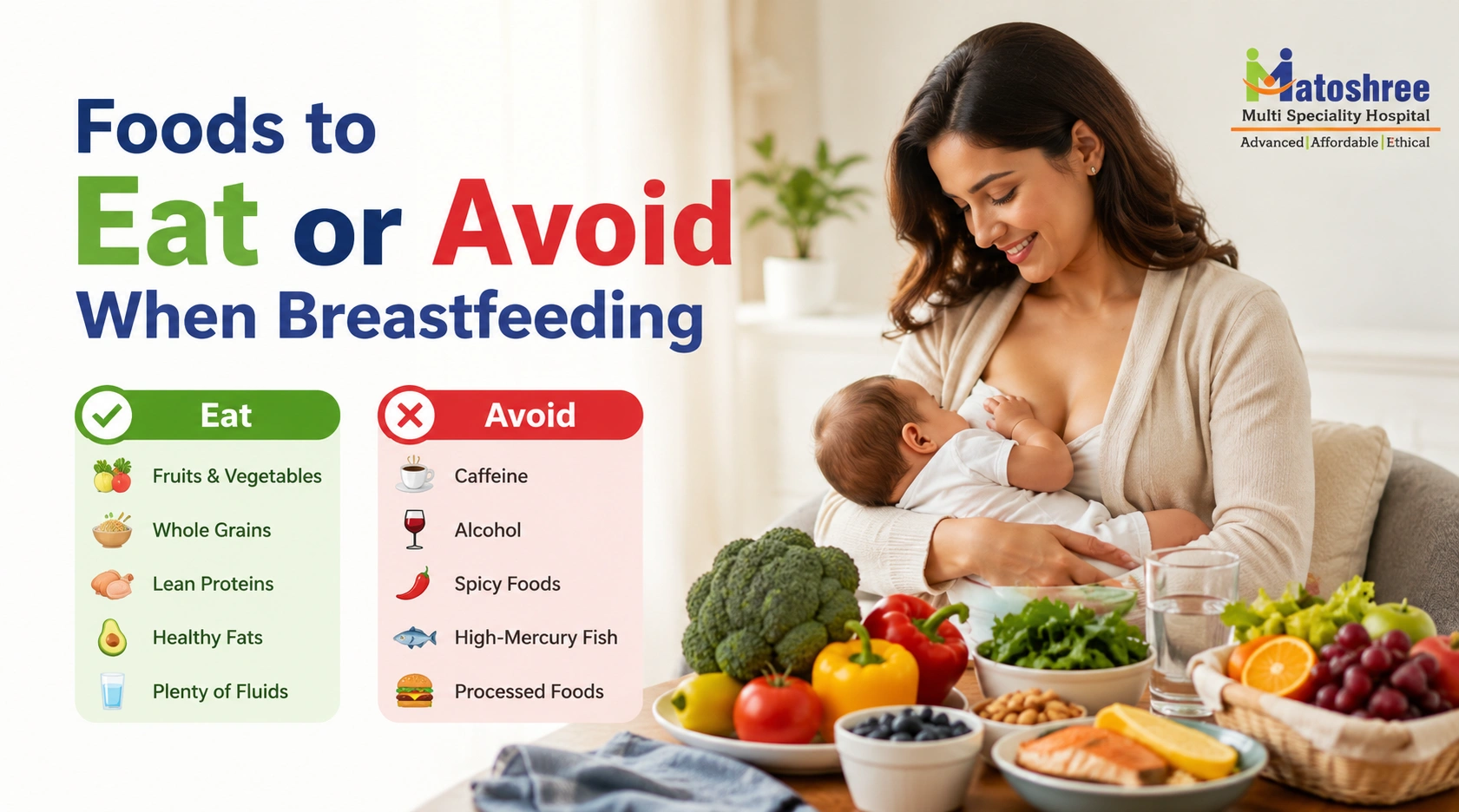
Foods to Eat or Avoid When Breastfeeding
Introduction
Breastfeeding is an invaluable means of nourishing your baby during the first few months of life. Though there is no specific breastfeeding diet that new mothers need to follow, some foods may affect a lactating woman’s energy levels, milk supply, and their baby's general well-being. Many mothers are not sure what to consume while breastfeeding, and more importantly, what foods to limit when breastfeeding.
We will delve into some of the optimal foods to eat when breastfeeding and also include what not to eat when breastfeeding and foods you should be wary of so that both you and your baby remain healthy.
Best Foods to Eat While Breastfeeding
Breastfeeding is a precious time for bonding with your baby and giving them the ideal nutrition for healthy development and growth. While breastfeeding, your body is performing at its highest to make breast milk, and you will therefore need to increase your food intake to fuel it. There is no "correct" breastfeeding diet but eating a diet that contains lots of nutritional value will ensure the quality and supply of your breast milk as well as increasing your own energy.
1. Oats and Whole Grains
Oats are generally recognized as one of the best foods for breast-feeding women as they contain both fibre, iron and complex carbohydrates which offer a sustained source of energy – invaluable during the highly demanding postpartum period. Furthermore, many mothers feel that they contribute positively towards healthy milk production.
As a result other wholegrains such as brown rice, quinoa, barley and wholegrain bread may also offer positive benefits for the breast-feeding woman; keeping blood glucose levels stable, aided by fibre content promoting healthy digestion, leaving you feeling more sustained.
2. Green Leafy Vegetables
Leafy greens are packed with vitamins and minerals that support both maternal recovery and infant development. Green leafy vegetables like spinach, kale, fenugreek leaves, amaranth leaves and broccoli are also packed with iron, calcium, folic acid, vitamin A and anti-oxidants. These nutrients are important for restoring the body's depleted supplies after childbirth and boosting up your immunity. A mixture of green leafy vegetables can make for a healthy and digestion-friendly food.
3. Protein-Rich Foods
Protein is essential for the healing of your body post-delivery, and for breast milk production. It becomes extremely important when your body is constantly feeding, thus making milk!
Good protein sources are:
- Eggs
- Chicken
- Fish
- Lentils
- Chickpeas
- Kidney beans
- Paneer
- Tofu
- Greek yogurt
Try to include a protein-rich food in every meal and snack to help maintain energy levels and support your body's recovery process.
4. Healthy Fats
It is also important that your baby consumes sufficient healthy fats. These fats contribute to their brain development and growth of the nervous system, assist with the absorption of fat-soluble vitamins and provide concentrated energy.
Examples of foods containing healthy fats are:
- Avocado
- Almonds
- Walnuts
- Chia seeds
- Linseeds
- Olive oil
- Fatty fish: e.g. Salmon, sardines
Including moderate amounts of healthy fats in your daily meals can support both maternal health and infant development.
5. Dairy Products
Dairy products contain calcium, protein, phosphorus, and vitamin D, nutrients essential for a strong body for both you and the baby, as well as strong bones and teeth for the baby.
Some dairy choices include:
- milk
- yogurt
- cheese
- cottage cheese
- buttermilk
If your baby has a sensitive reaction to feedings by having a lot of gassiness, digestive discomfort, or developing eczema, talk to your pediatrician and ask them about whether dairy sensitivity is the cause.
6. Fresh Fruits
Fruits naturally offer vitamins, minerals, fiber and antioxidants, as well as help the body remain hydrated-essential for nursing mothers.
Great fruits for nursing mothers include:
- Bananas
- Apples
- Oranges
- Berries
- Papayas
- Pears
- Mangoes
- Pomegranates
Incorporating a variety of colorful fruits into the diet helps ensure a diverse range of essential nutrients to aid in postpartum recovery.
7. Drink Plenty of Water
Milk is predominantly water and thus adequate hydration is essential for nursing mothers. You'll probably find that you're much more thirsty while breast feeding.
Have a water bottle with you constantly and sip it frequently during the day. Other drinks, like coconut water, soups and fresh (not from concentrate) juices are excellent too.
Water is essential for everything, but particularly for effective breast feeding.
Foods to Avoid When Breastfeeding
Many mothers are looking for food that to be avoided during breastfeeding as they want to make sure the food they eat would also promote their babies' health. Most food can be taken without any restriction during breastfeeding, but certain food and drinks might have effect on babies or may need to be taken carefully.
1. High-Mercury Fish
A great source of nutrition, fish is packed with protein and omega-3 fatty acids. However, many types of large fish can have levels of mercury that are toxic to you and can be transmitted to your baby and affect the development of their nervous system.
You will want to avoid and limit consuming the following fish:
- shark
- swordfish
- king mackerel
- tilefish
Good fish to eat include:
- salmon
- trout
- sardines
- tilapia
You'll want a varied diet that is comprised of low-mercury fish.
2. Excessive Caffeine
The one thing many sources of 'what not to eat while breastfeeding' will always refer to is caffeine. Though moderate amounts of caffeine are deemed safe for consumption, high levels may enter your breast milk and potentially affect your baby.
Food sources containing caffeine:
- Coffee
- Tea
- Energy drinks
- Soft drinks
- Chocolate
If your baby becomes excessively agitated, iritable or unable to sleep try cutting down your intake of caffeine and see if your baby's behavior alters.
3. Alcohol
Alcohol can also pass to your baby through breast milk. Some breastfeeding mothers will find occasional drinking acceptable. It is however, necessary to consider the timing of your drinking.
If you choose to drink alcohol while breastfeeding:
- Drink in moderation
- Wait before feeding your baby
- Consult your doctor or other health professional for advice.
It is safest not to drink any alcohol while breastfeeding.
4. Sugary Drinks and Processed Foods
Processed and sweet drinks are among the "don'ts" while breastfeeding. Breastfeeding mothers need nutrient-rich calories and not "empty" calories. Examples of common foods to be avoided include:
- Sodas
- Packaged fruit drinks
- Chips
- Cookies
- Cake
- Fast food
The practice of selecting whole foods more often can also have positive effects on energy and long-term well-being.
5. Very Spicy Foods
Contrary to popular belief, spicy foods do not automatically harm breastfeeding babies. Many infants tolerate them perfectly well.
However, if you notice that your baby becomes unusually fussy, gassy, or uncomfortable after feedings, try reducing spicy foods temporarily and monitor whether symptoms improve.
Every baby responds differently, making individual observation important.
6. Gas-Producing Vegetables
Some mothers report that certain vegetables seem to make their babies more gassy or uncomfortable. Common examples include:
- Cabbage
- Broccoli
- Cauliflower
- Brussels sprouts
- Beans
Scientific evidence is limited, but if you suspect a connection, try removing the food temporarily and reintroducing it later to assess your baby's reaction.
7. Herbs That May Affect Milk Supply
Certain herbs are known to potentially reduce breast milk production when consumed in large quantities.
While normal culinary use is usually not a concern, excessive consumption through supplements, herbal teas, or concentrated products may affect lactation in some women.
What Not to Eat When Breastfeeding: Common Concerns
If you're wondering what not to eat when breastfeeding, it's important to remember that there is no universal list of forbidden foods. Most mothers can enjoy a varied diet without affecting their baby. However, paying attention to foods that seem to trigger discomfort, allergies, or digestive issues in your baby can help you make informed dietary choices.
Rather than following unnecessary restrictions, focus on moderation and observe your baby's reactions over time.
Signs Your Baby May Be Sensitive to Certain Foods
Food sensitivities transmitted through breast milk are relatively uncommon, but they can occur. Pay attention to your baby's behavior and consult a healthcare professional if symptoms persist.
Possible signs include:
- Excessive fussiness
- Frequent crying after feeding
- Diarrhea
- Skin rashes
- Eczema flare-ups
- Excessive gas
- Vomiting
- Sleep disturbances
Before eliminating entire food groups, consult your pediatrician or a qualified healthcare provider for guidance.
Tips for Maintaining a Healthy Breastfeeding Diet
A healthy breastfeeding diet doesn't have to be complicated. Focus on balance, variety, and consistency.
Practical Tips for Nursing Mothers
- Eat balanced meals throughout the day.
- Include protein with every meal.
- Drink water regularly.
- Choose nutrient-dense snacks such as fruits, nuts, and yogurt.
- Get enough calcium, iron, and vitamin D.
- Avoid skipping meals.
- Limit highly processed foods.
- Listen to your hunger cues.
- Monitor your baby's reactions to dietary changes.
- Consult your healthcare provider before taking supplements or herbal products.
Remember, breastfeeding is not about following strict dietary rules or obsessing over foods to avoid when breastfeeding. It is about nourishing yourself so you can continue nourishing your baby. A balanced, varied diet combined with adequate hydration and rest can help support a positive breastfeeding experience for both mother and child.
Conclusion
Breastfeeding mothers do not need to follow a restrictive diet. The key is maintaining a balanced, nutritious eating pattern that supports both maternal health and your baby's growth. Focus on whole grains, fruits, vegetables, lean proteins, and healthy fats while limiting excessive caffeine, alcohol, and highly processed foods. Understanding what not to eat when breastfeeding and which foods to avoid when breastfeeding can help you make informed choices, but most foods can be enjoyed in moderation. Every mother and baby are unique, so pay attention to how your body and baby respond and seek professional guidance when needed.

















 (1).png)