
Do Fibroids Make You Gain Weight? Symptoms, Bloating, and Treatment
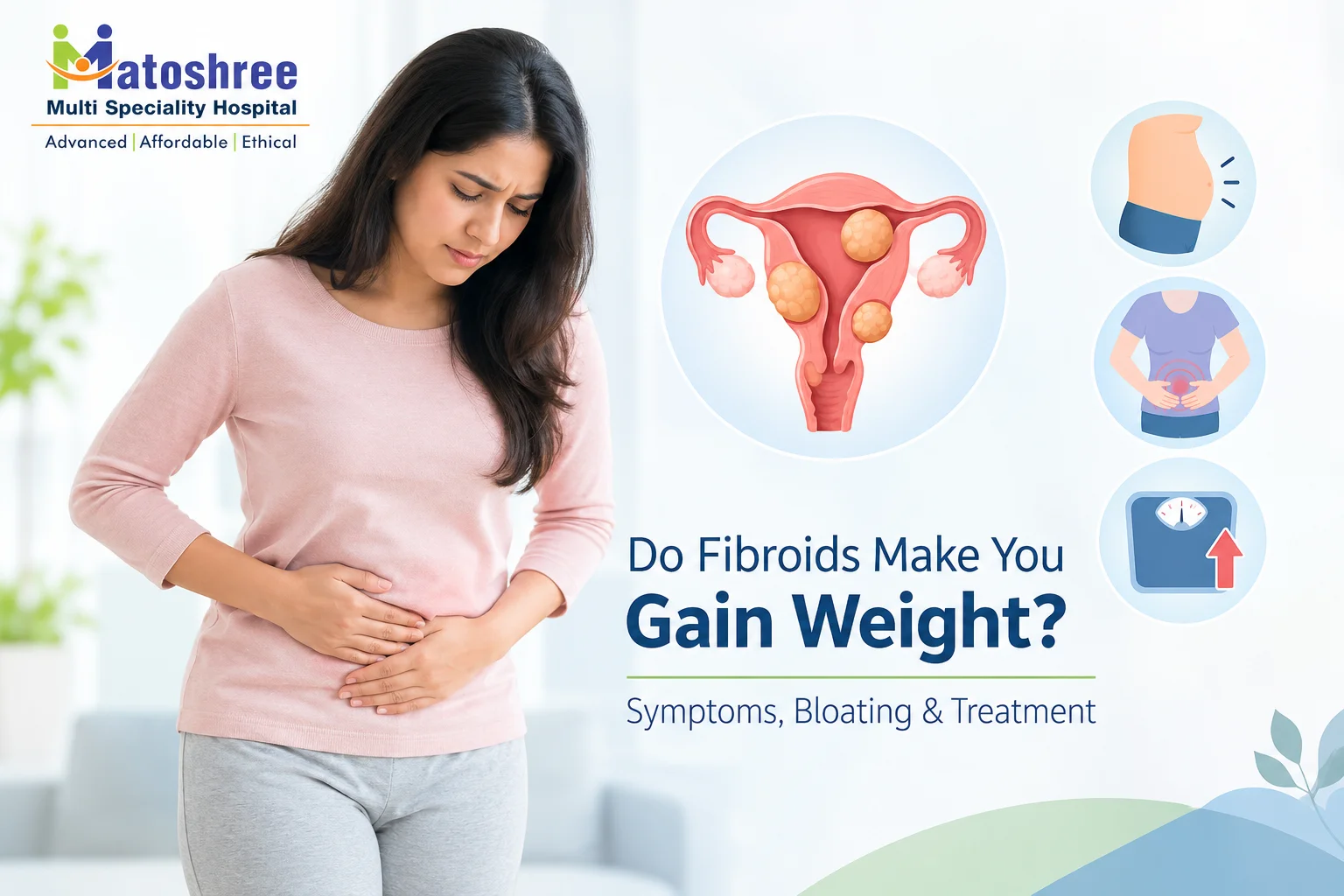
Your lower belly may look bigger lately, or it may feel heavy and bloated for weeks at a time. It is natural to wonder whether this comes from weight, digestion, or something in your reproductive system. Many women put the same question to their doctors: do fibroids make you gain weight?
Uterine fibroids are non-cancerous growths that form in or around the uterus. Depending on how large they are, how many there are, and where they sit, they can lead to abdominal enlargement, pelvic pressure, bloating, and other symptoms. They do not usually cause general body-fat gain, though, and many women with fibroids notice no change in body shape at all.
Knowing how fibroids relate to abdominal swelling makes it easier to recognise symptoms and decide when to see a doctor.
Can Uterine Fibroids Cause Weight Gain?
Sometimes, yes. Uterine fibroids can make the abdomen look larger, and in some women they add to overall body weight, mainly when the growths are large or when there are several of them.
Fibroids grow from the muscular tissue of the uterus. As they enlarge, the uterus gets bigger and begins to press on the pelvic or abdominal area. The result can be a visible bulge in the lower belly or a steady feeling of fullness.
It helps to separate body-fat gain from abdominal enlargement caused by fibroids. A bulge linked to fibroids does not mean you are gaining fat across your body.
If your weight changes without a clear reason or your abdomen stays swollen, a healthcare professional can help find the cause.
How Do Fibroids Affect Your Belly Size?
Fibroids change the shape of the abdomen to different degrees. Three things matter most: how big they are, where they sit in the uterus, and how many there are.
1. Large Uterine Fibroids
When a fibroid grows large, the uterus grows with it, and the lower abdomen can begin to push outward. A woman may find her trousers tighter at the waist even though she is eating the same way and her body fat has stayed about the same.
2. Multiple Fibroids
Some women have several fibroids instead of one. Together, they can add to the size of the uterus and bring on abdominal fullness or pressure.
3. Pressure on Nearby Organs
Once fibroids grow large enough, they may press on neighbouring organs such as the bladder or bowel. This can cause frequent urination, constipation, or discomfort in the lower abdomen.
These symptoms can appear together with abdominal enlargement, but fibroids are not the only possible cause. Other medical conditions can produce similar changes.
Common Symptoms of Uterine Fibroids
Many women with uterine fibroids have no symptoms. In some cases, the fibroids are found by chance during a routine examination or ultrasound.
When symptoms do show up, they can include:
- Menstrual bleeding that is heavy or lasts longer than usual.
- Period pain or a dull ache in the pelvis.
- Fullness or pressure low in the abdomen.
- A swollen abdomen or bloating that does not settle.
- Passing urine more often, or trouble emptying the bladder fully.
- Constipation or straining to pass stools.
- Lower back pain.
- Discomfort during sexual intercourse.
- Fatigue, particularly when heavy bleeding leads to anaemia.
Symptoms differ widely from one woman to the next. Their severity also does not always match the size of the fibroid, which is why a medical assessment matters.
Fibroid-Related Bloating vs. Normal Weight Gain
Bloating and weight gain can feel alike, yet they are not the same thing.
| Feature | Possible fibroid-related changes | General weight gain |
|---|---|---|
| Abdominal appearance | Lower-belly fullness or enlargement. | May involve several body areas. |
| Sensation | Pelvic pressure or heaviness may occur. | Often no pelvic pressure. |
| Menstrual changes | Heavy or painful periods may accompany it. | Not typically caused by weight gain alone. |
| Other symptoms | Frequent urination or constipation may occur. | Depends on the underlying cause. |
This comparison works only as a general guide. These features cannot confirm whether fibroids are behind your symptoms.
Persistent bloating can also come from digestive problems, hormonal changes, pregnancy, ovarian conditions, or other health concerns. Abdominal enlargement should not be put down to fibroids without a proper evaluation.
Can Fibroids Cause Weight Gain Without Other Symptoms?
Yes. Fibroids can be present without obvious symptoms, and some women first notice abdominal enlargement before they learn they have them.
Weight gain by itself, however, is not a dependable sign of uterine fibroids. Physical activity, diet, thyroid function, medications, hormonal changes, and other factors can all affect body weight too.
If your weight changes for no clear reason, you have a lasting bulge in the lower abdomen, or your menstrual cycle changes, speak with a healthcare professional instead of trying to work out the cause on your own.
How Are Uterine Fibroids Diagnosed?
When symptoms suggest uterine fibroids, a gynaecologist will usually begin with a physical examination and then arrange imaging tests.
Pelvic Examination
During a pelvic examination, the clinician feels the area for signs that the uterus is enlarged or tender.
Ultrasound
Pelvic ultrasound is the most common way to detect fibroids. It shows how many there are, how large they are, and where they lie. Depending on the case, the scan may be done over the abdomen or with a transvaginal probe.
Additional Tests
If bleeding is heavy or anaemia is suspected, the doctor may order blood tests. Some patients also need further imaging or other investigations.
Swelling in the abdomen that does not go away or changes in your periods are good reasons to book a gynaecological evaluation in Kamothe. It can show whether fibroids or some other condition lies behind them.
What Are the Treatment Options for Uterine Fibroids?
Which treatment suits you depends on several things: your symptoms, the size and position of the fibroids, your age and general health, and whether you hope to become pregnant. Many fibroids need no treatment at all.
1. Monitoring
Small fibroids that cause no real trouble are often just watched, with check-ups at regular intervals.
2. Medication
Medicines can reduce heavy bleeding or relieve pain, and some can shrink fibroids for a period of time. The doctor chooses among them based on your situation.
3. Surgical Treatment
Surgery is an option when fibroids cause marked symptoms, keep causing heavy bleeding, press on nearby organs, or create other clinical problems.
The choice of procedure varies from patient to patient. Sometimes only the fibroids are removed and the uterus is preserved. In certain situations, the uterus itself is removed.
Should surgery be advised, ask your doctor about the options, the risks, how recovery usually goes, and how the operation could affect a future pregnancy. You can read about laparoscopic surgery services at Matoshree Hospital to see what the hospital offers in this area.
Remember: fibroid size alone does not decide whether surgery is necessary. The decision should rest on a full clinical assessment.
Will You Lose Weight After Fibroid Removal?
Some women find that abdominal fullness or pressure eases after treatment, especially when large fibroids were making the abdomen bigger.
Even so, removing fibroids does not automatically lead to substantial weight loss. The change you see depends on the size and number of fibroids removed, other contributing factors, and how well you recover.
If your weight went up for reasons unrelated to fibroids, removing them may not resolve that.
Recovery also varies with the type of procedure. After any operation, stick to your surgeon's advice on activity, wound care, diet, and follow-up visits.
Our related guide on body changes after uterus removal covers the physical changes that can follow surgery.
Can Uterine Fibroids Affect Pregnancy?
Most women with uterine fibroids become pregnant naturally and have healthy pregnancies. In other cases, the size or location of a fibroid can influence fertility or increase risk of some pregnancy complications.
If you’re trying to conceive or have had difficulty getting pregnant, discuss your diagnosis of fibroids with a gynaecologist. Your treatment choices should be influenced by your reproductive goals.
Women who need an assessment of fertility-related concerns can also explore infertility services at Matoshree Hospital.
When Should You Consult a Gynaecologist?
If you notice any of the following, book a medical assessment:
- Abdominal enlargement that is persistent or continues to increase.
- Heavier, longer or more painful periods than usual.
- Pelvic pain or pressure that recurs.
- Frequent urination or constipation that does not go away
- Weight changes with no clear reason, together with other symptoms.
- Trouble conceiving, or worries about a fibroid that has already been diagnosed.
Seek urgent medical attention if you have sudden, severe abdominal or pelvic pain, fainting, or very heavy bleeding with dizziness or weakness.
Early evaluation can help to determine the cause of your symptoms and show whether monitoring, medication or another treatment is the right step.
Frequently Asked Questions
1. Do fibroids make you gain weight?
Fibroids can increase abdominal size, especially when they are large or numerous. They do not usually cause general body-fat gain, however. If your weight changes without a clear reason, other possible causes should be checked.
2. Can fibroids make your stomach look bigger?
Yes, they can. A larger fibroid enlarges the uterus and may create a visible bulge low in the abdomen. Because other conditions can swell the abdomen as well, it is worth having a clinical assessment.
3. Do fibroids cause bloating and gas?
Fibroids can add to a feeling of fullness or pressure in the abdomen. A large one sometimes presses on the bowel, which can lead to constipation. Gas and bloating that last have many other possible causes, so fibroids should not be assumed to be the reason.
4. Will I lose weight after fibroid removal?
If the fibroids were enlarging your abdomen, you may feel less fullness afterwards. A major drop in overall weight cannot be promised, especially when other factors also influence your weight.
5. Can small fibroids cause symptoms?
Yes. Size is often less important than location, so even a comparatively small fibroid can cause trouble. Even if the fibroid is small, you shouldn’t dismiss the heavy bleeding, pain and other symptoms without getting them checked.
6. When should fibroids be treated?
This depends on your symptoms, the nature of the fibroids, their effect on neighbouring organs, your wishes regarding pregnancy and other clinical factors. Some fibroids only need to be monitored, while others call for medication or surgery.
Conclusion
So, do fibroids make you gain weight? They can add to abdominal enlargement, bloating, and a sense of heaviness, particularly when they are large or there are several. They are not usually the cause of general body-fat gain, though, and unexplained weight changes can have several possible explanations.
Spotting the symptoms, getting a proper diagnosis, and talking through treatment with a qualified gynaecologist will put you in a better position to make decisions about your health.
If you are dealing with bloating that will not go away, pelvic pressure, heavy periods, or unexplained abdominal enlargement, you can visit Matoshree Hospital in Kamothe to find out about its services and arrange a consultation.
Medical note: This article is for general educational purposes and should be reviewed by a qualified gynaecologist before publication. It does not replace individualised medical advice.




















 (1).png)