
Difference Between Piles and Fissure: Symptoms, Causes & Treatment
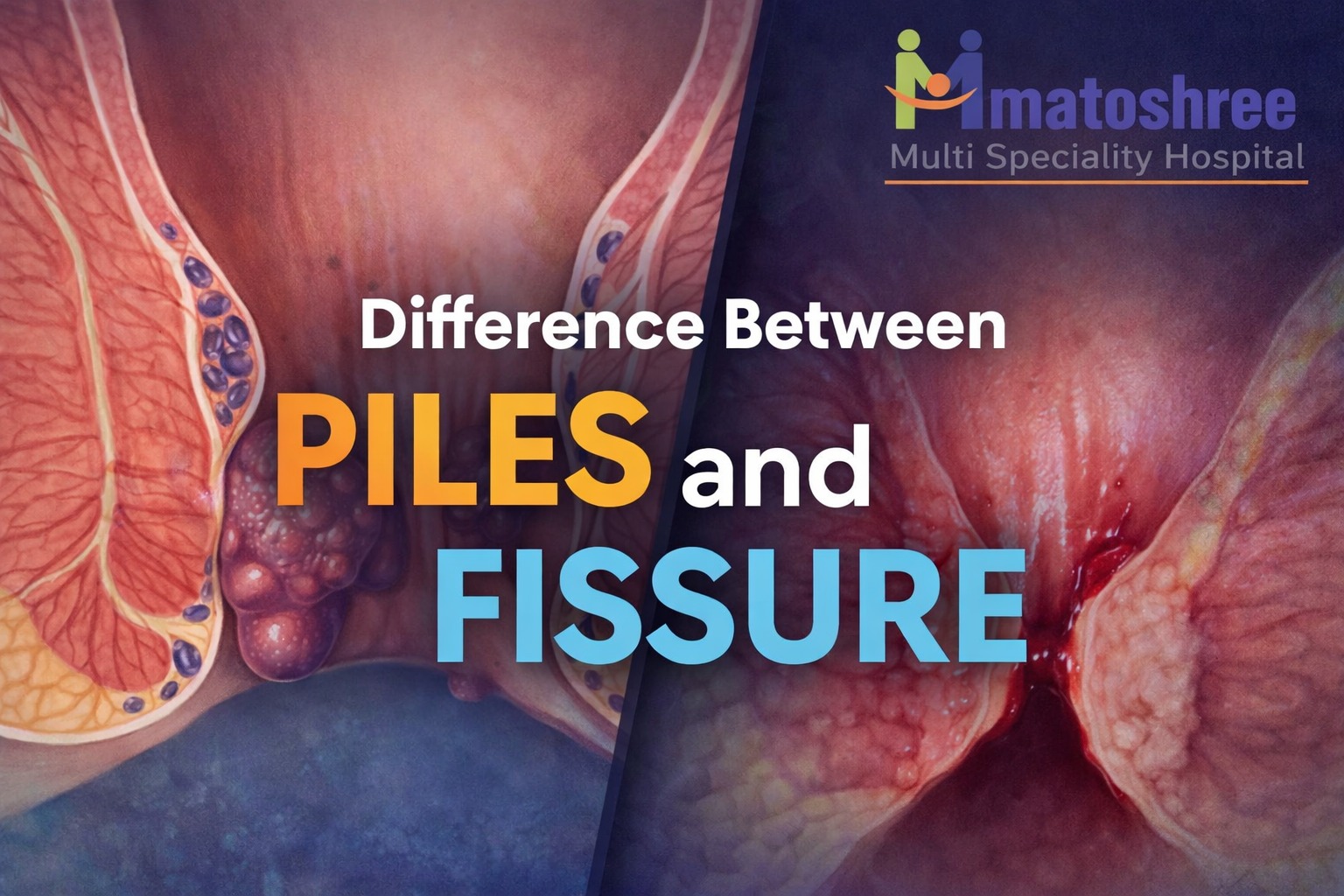
Pain and bleeding of the anal area can be painful and disorienting. The distinction between piles and fissure has been a problem to many individuals since both disorders treat the same region and they need various treatments. In case you have certain symptoms and have an urge to visit a piles doctor in Navi Mumbai, the knowledge on whether you have piles or fissure will enable you to get the appropriate treatment quicker.
In this full guide to complete fissure vs piles, we dissect the symptoms, causes and treatments so that you can easily identify what is happening to you and take the correct action.
What Are Piles (Hemorrhoids)?
Piles or hemorrhoids are puffy veins of the rectum or the anus. This is the initial step to knowing the distinction between piles and fissure.
They can be:
- Internal (inside the rectum)
- External (outside the anus)
Causes of Piles
- Chronic constipation
- Difficulty in bowel movements.
- Sitting for long periods
- Pregnancy
- Low-fiber diet
Symptoms of Piles
- Aseptic bleeding during stool.
- Itching or irritation
- Lump near the anus
- Discomfort while sitting
In a fissure vs. piles comparison, piles are often linked to bleeding but minimal pain.
What Is an Anal Fissure?
An anal fissure is a tear in the tissue that surrounds the anus. It often occurs because of passing hard stools. This is a significant factor to consider in understanding the fissure vs. piles difference in terms of symptoms.
Causes of Fissure
- Passing hard or large stools
- Chronic constipation
- Anal injuries
- Inflammatory bowel diseases
Fissure Symptoms
- Severe pain during bowel movement
- Burning feeling after bowel movement
- Blood spots on toilet paper
- Cut visible near the anus
In the discussion of piles and fissure, fissures are known to cause severe pain, unlike piles.
Difference Between Piles and Fissure (Quick Comparison)
Understanding the difference between piles and fissure is easier with this table:
| Feature | Piles (Hemorrhoids) | Fissure |
|---|---|---|
| Condition Type | Swollen veins | Tear in anal lining |
| Pain Level | Mild or none | Severe pain |
| Bleeding | Painless | Painful |
| Main Cause | Pressure & straining | Hard stool |
| Healing Time | Can be chronic | Often heals faster |
The main takeaway in fissure vs piles:
- Piles = swelling
- Fissure = tear
Fissure vs Piles: How to Identify Your Condition
If you're unsure about the difference between piles and fissure, here are simple clues:
- Bleeding without pain → likely piles
- Sharp pain during stool → likely fissure
- Lump or swelling → piles
- Burning pain after toilet → fissure
This quick fissure vs piles identification guide helps in early detection.
Diagnosis
To confirm the difference between piles and fissure, doctors may perform:
- Physical examination
- Medical history review
- Rectal examination
- Visual inspection
Accurate diagnosis is essential in any fissure vs piles treatment plan.
Treatment Options
Piles Treatment
- High-fiber diet
- Increased water intake
- Sitz baths
- Medications and creams
- Laser or surgical procedures
Fissure Treatment
- Stool softeners
- Pain-relief ointments
- Warm water baths
- Muscle relaxants
- Surgery (in chronic cases)
In fissure vs piles treatment, fissures often heal faster with conservative care, while piles may require procedures.
Can You Have Both?
Yes, some people experience both conditions at once. This makes understanding the difference between piles and fissure even more important for proper treatment.
Prevention Tips
Prevent both conditions with these tips:
- Eat fiber-rich foods
- Stay hydrated
- Avoid straining
- Exercise regularly
- Maintain healthy bowel habits
These steps help reduce the risk in any fissure vs piles scenario.
When to See a Doctor
Consult a doctor if:
- Bleeding continues
- Pain is severe
- Symptoms keep returning
Faster recovery and accurate diagnosis of the distinction between piles and fissures are ensured by early consultation.
In conclusion
In order to ensure appropriate treatment, it is essential to distinguish between fissures and piles. This article on fissures versus piles helps you identify your symptoms so you can take the proper action.




















 (1).png)