
Can You Get Pregnant with PCOD? Symptoms, Fertility & Pregnancy Guide (2026)
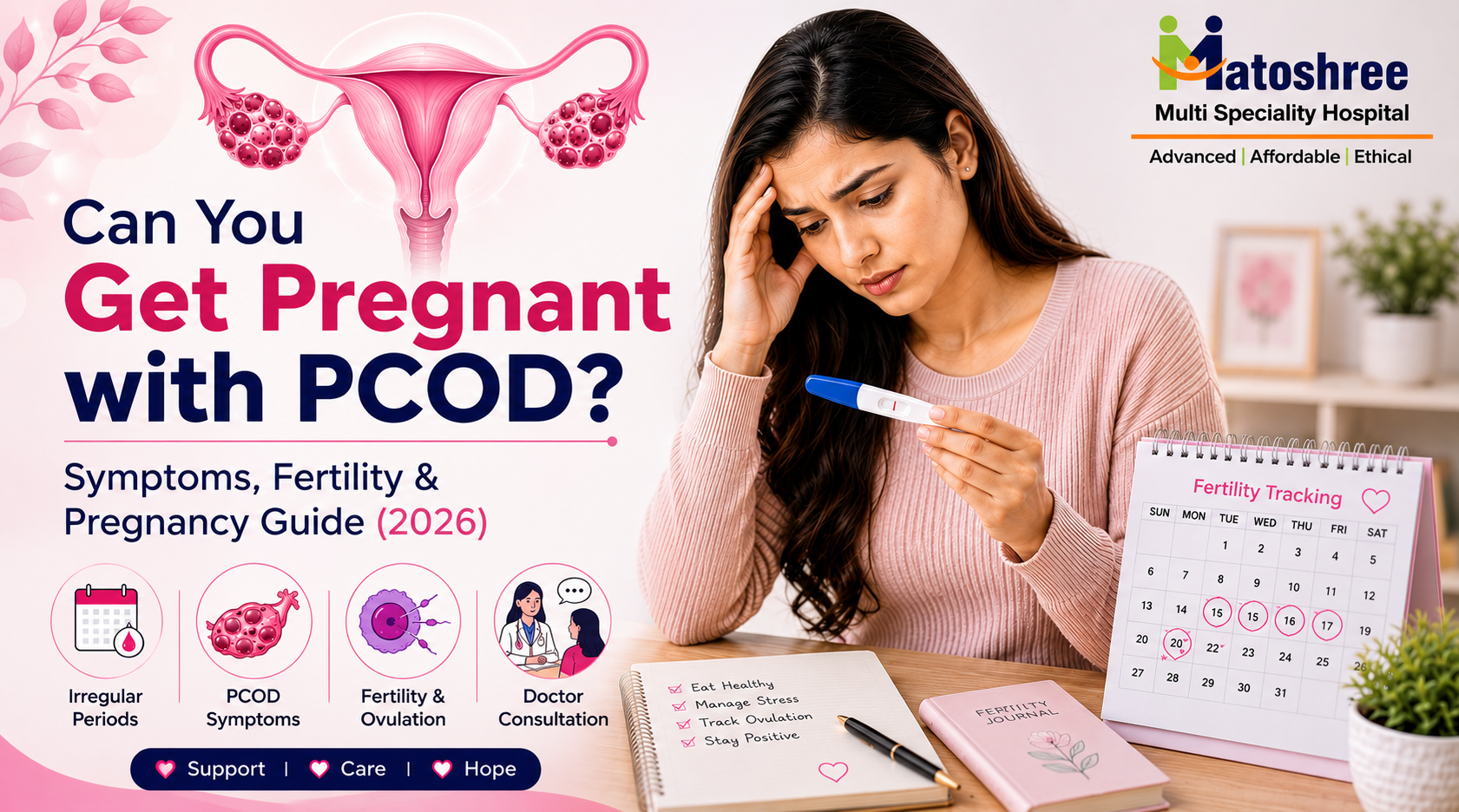
When a woman is diagnosed with Polycystic Ovarian Disease (PCOD), an event like this can be very overwhelming, particularly if she is planning to start a family. A major concern that women have is "Can I get pregnant with PCOD?" The answer is yes. While PCOD may cause irregular ovulation and make it more difficult to conceive, many women ovulate and get pregnant naturally or with fertility assistance.
This information sheet provides an understanding of how PCOD can affect fertility and treatment options and addresses some frequently asked questions, such as 'Does PCOD affect pregnancy, pcod problem in pregnancy', and 'Can PCOS cause miscarriage?'
What is PCOD?
PCOD is a hormonal imbalance condition where the ovaries form several immature follicles which do not release eggs on schedule. This can cause irregular periods, hormone imbalance and difficulty in conceiving.
Some of the common factors related to PCOD:
- Hormonal imbalance
- Insulin resistance
- Family history
- Obesity/Lifestyle
If the diagnosis and treatment are made early, fertility can be improved and, in the long term, health risks will be minimized.
Can I Get Pregnant with PCOD?
Yes. If you're wondering, "Can I get pregnant with PCOD?", the good news is that pregnancy is possible for many women with PCOD.
Because PCOD can lead to irregular ovulation, it might be longer to conceive. But with a healthy lifestyle, fertility drugs that stimulate ovulation and other fertility treatments can make a huge difference in your chances of becoming pregnant.
There are a number of factors that can affect your fertility:
- Age
- Weight
- Hormone levels
- Overall reproductive health
- Other fertility disorders
Early medical advise can help to improve pregnancy and detect any underlying conditions.
How Does PCOD Affect Fertility?
The primary reason of PCOD is its effect on fertility is due to the disruption of ovulation. Egg release is necessary for regular conception to occur.
The disease can impact fertility in the following ways:
Irregular Ovulation
Eggs might not be laid on a monthly basis, thus minimising the opportunities for fertilization.
Hormonal Imbalance
Increased levels of androgens disrupt egg production and regular periods.
Insulin Resistance
Insulin resistance is a common feature in women with PCOD, contributing to further hormonal imbalance and impacting ovulation.
Weight Gain
Obesity can lead to decreased fertility and pregnancy-related issues. Even a modest weight loss of 5-10% can improve ovulation and reproductive health.
Common Symptoms of PCOD
The main symptoms of PCOD are listed below:
Symptoms can range from individual to individual and may include the following:
- Periods that don't show up or are late.
- Difficulty getting pregnant
- Acne and oily skin
- An overgrowth of facial or body hair.
- Hair thinning
- Weight gain
- Melanema (dark skin patches)
- On ultrasound, the ovary shows several follicles.
- Mood changes
If you have such symptoms, see a gynecologist for evaluation.
How is PCOD Diagnosed?
The diagnosis of PCOD involves medical history, physical examination and diagnostic tests.
These may include:
- Pelvic ultrasound
- Hormone blood tests
- Blood sugar and insulin tests
- Thyroid function tests
Early diagnosis enables treatment to commence earlier, hence better fertility outcomes.
Natural Ways to Improve Fertility with PCOD
Many women asking, "Can I get pregnant with PCOD?" can improve their fertility by adopting healthier lifestyle habits.
Maintain a Healthy Weight
Small amounts of weight loss can help hormones to become more balanced, and ovulation will return.
Eat a Balanced Diet
Eat whole grains, fruits, vegetables, lean proteins, healthy fats and high-fiber foods and avoid processed foods and sugary drinks.
Exercise Regularly
To boost insulin sensitivity and reproductive health, try to get at least 150 minutes of moderate activity a week.
Manage Stress
Yoga, meditation and a good night's sleep can help maintain hormone balance and well-being.
Track Ovulation
An ovulation indicator can assist you to determine the days you should try conceiving and might even make it easier for you to become pregnant.
Fertility Treatments for PCOD
If lifestyle changes don't increase your likelihood of becoming pregnant, your gynecologist may suggest fertility treatment based on your health and reproductive history.
Ovulation-Inducing Medications
These drugs help the eggs to mature in the ovary and make it more likely to conceive naturally. Regular monitoring assures the treatment is effective and safe.
Insulin-Sensitizing Medications
Medication can help balance hormones, regular ovulation and menstrual periods in women who have insulin resistance.
In-Vitro Fertilisation (IVF)
It might be advised if the woman has not become pregnant with other treatments or if other fertility factors are involved. A fertility specialist can help many women with PCOD to conceive successfully using IVF.
Does PCOD Affect Pregnancy?
One of the common concerns of expectant moms is, "Does PCOD affect pregnancy?" Does PCOD affect pregnancy? is one of the common concerns among expectant moms.
Of course, it's not an automatic NO, but it does mean that you can not have a healthy pregnancy without the correct medical management. In women having PCOD, there is a little risk of pregnancy complications due to hormonal imbalance and insulin resistance. But regular prenatal visits, a healthy lifestyle and following your doctor's recommendations can greatly improve the outcomes of pregnancy.
If you have been wondering about does pcod affect pregnancy, keep in mind that early treatment and regular monitoring of your condition offers a safer pregnancy not only for the mother but the baby as well.
Common PCOD Problem in Pregnancy
PCOD in Pregnancy: Common problem.
There are women who may develop a PCOD problem in pregnancy, and many women have normal pregnancies.
Some complication of pregnancy that may be caused by possible pcod is:
- Gestational diabetes
- High blood pressure
- Preeclampsia
- Preterm birth
- A higher risk of cesarean section delivery.
These risks can usually be controlled effectively by following a healthy diet, regular prenatal monitoring, keeping blood sugar levels in check and getting medical care when needed. Early detection helps doctors manage every pcod problem in pregnancy effectively.
Can PCOS Cause Miscarriage?
Another popular question among women is "can pcos cause miscarriage?"
Due to hormonal imbalance, insulin resistance and obesity, women having PCOD or PCOS have a slightly higher risk of miscarriage. But the answer to "can pcos cause miscarriage" doesn't imply the certainty of miscarriage.
Many women with PCOD manage to have a healthy pregnancy and deliver the baby successfully with early prenatal check-ups, proper medical care and healthy lifestyle habits.
Tips for a Healthy Pregnancy with PCOD
To promote a healthy pregnancy:
- Go to all prenatal visits.
- Follow a healthy, well-balanced diet.
- Follow your doctor's recommendations for physical activity.
- If indicated, check blood sugar.
- Regularly use prenatal vitamins.
- Stay well hydrated and take care to get a good night's sleep.
- Don't smoke or drink alcohol.
- Follow your obstetrical/gynecological doctor's advice.
These healthy measures can decrease the risks during pregnancy and improve the health of mom and baby.
Frequently Asked Questions
Can I get pregnant with PCOD naturally?
Yes. There are numerous women who ask can I get pregnant with pcod? who end up conceiving spontaneously after making lifestyle changes and regaining normal ovulation. For others, these drugs may help with fertility, or IVF may be an option.
Does PCOD affect pregnancy?
Yes, it is a common question: does PCOD affect pregnancy? As there are some pregnancy complications that can increase the risk associated with PCOD. Most women are able to have healthy pregnancies with regular prenatal care.
What is a PCOD problem in pregnancy?
Some of the common conditions that can occur if you have a PCOD problem in pregnancy are gestational diabetes, high blood pressure or preeclampsia. These risks are minimized if it's diagnosed early and monitored closely.
Can PCOS cause miscarriage?
One of the most frequent questions regarding PCOS is, "Yes, can PCOS cause miscarriage?" While this may slightly increase in women having PCOD or PCOS, with appropriate medical management, the chances of a successful pregnancy are much greater.
Conclusion
So, for those who are in doubt, can I get pregnant with PCOD is an affirmative answer. PCOD does not necessarily cause ovulation and fertility issues, but it can be managed and controlled. While many women also search for how to cure PCOD permanently, it is important to understand that long-term management through medical treatment and lifestyle changes is the most effective approach. By learning more about the effects of PCOD on pregnancy, the possibility of a PCOD problem in pregnancy, and the facts about can PCOS cause miscarriage, you can make informed decisions about your reproductive health.
Many women with PCOD can conceive and give birth to healthy babies with early diagnosis, healthy lifestyle changes, individualized treatment, and regular check-ups.
Why Choose Matoshree Multispeciality Hospital?
Our expert gynecologists at Matoshree Multispeciality Hospital, Kamothe, including the best gynecologist in Kamothe, offer fertility counseling, diagnosis for PCOD, ovulation management, pregnancy planning, and full-fledged prenatal care to women with PCOD. From the possibilities of natural conception to advanced fertility treatments, we will be with you throughout your journey to parenthood.
Schedule your consultation now and feel free to take the first step towards a healthy pregnancy.




















 (1).png)