
Allergic Reaction Heat Rash: Symptoms, Mild Heat Rash Treatment/Prevention Tips (2026 Guide)
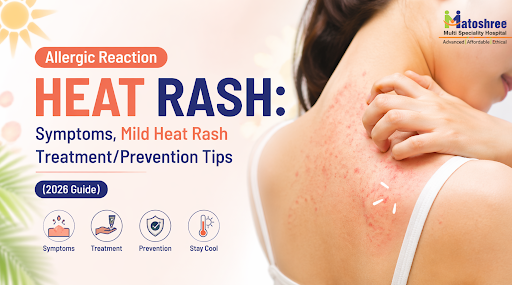
Heat Rash: Symptoms, Mild Heat Rash Treatment & Prevention Tips (2026 Guide)
Heat rash is a common skin condition that appears during the summer season and is caused by clogged sweat glands and excessive sweating. Many individuals confuse an allergic reaction heat rash with regular prickly heat because both can cause redness, itching, rash, and skin irritation.
Heat rash symptoms include tiny red spots, prickling sensation, pain, or mild discomfort, especially in warm and humid conditions.
Heat rash is common in infants, children, and adults. Mild heat rash usually resolves quickly with cooling and proper skincare, while severe cases may require medical attention. Most cases are harmless and can be managed by keeping the skin cool, dry, and clean.
What is Heat Rash?
Heat rash develops when sweat ducts become blocked. Instead of evaporating, sweat gets trapped under the skin, causing inflammation, bumps, itching, or discomfort. It commonly occurs during summer, after exercise, or prolonged sweating.
Sometimes people mistake allergic reactions for heat rash when redness or itching appears after heat exposure. However, heat rash is caused by sweat and blocked pores, not an immune response.
Heat Rash Symptoms
Common symptoms include:
- Small red or pink pimples
- Itching or burning sensation
- Skin irritation or prickly feeling
- Mild swelling or discomfort
- Occasional tiny blisters
- Redness in skin folds
- Increased discomfort after sweating
- Sensitive or warm skin
Heat rash commonly appears on:
- Neck
- Chest
- Back
- Underarms
- Groin
- Under breasts
- Waistline
- Elbow creases
In adults, it may occur where clothing rubs the skin. In babies, it is often seen on the neck, shoulders, and chest.
Mild Heat Rash
Mild heat rash is the most common type. It usually causes small, itchy bumps without severe pain and heals within a few days when the skin is kept cool and dry.
Symptoms of mild heat rash:
- Small red bumps
- Mild itching
- Slight irritation
- Rash after sweating
- No fever or severe pain
Allergic Reaction Heat Rash vs Heat Rash
Many people confuse allergies with heat rash. Here is the difference:
Heat Rash
- Caused by sweating and blocked pores
- Common in hot weather
- Improves with cooling
Allergic Skin Reaction
- Caused by skincare products, detergents, fabrics, foods, or medicines
- May occur any time of the year
- Can cause swelling, large rashes, or severe itching
If symptoms are severe or persistent, medical advice is recommended.
Causes of Heat Rash
- Hot and humid weather
- Excessive sweating
- Tight clothing
- Greasy lotions or creams
- Intense physical activity
- Poor ventilation
- Prolonged bed rest
- Overdressing in babies
- Skin friction
Heat Rash Treatment
Most cases of heat rash can be treated at home with simple care methods.
Home Treatment
- Move to a cool or shaded area
- Take a cool shower or bath
- Keep skin clean and dry
- Wear loose cotton clothing
- Avoid excessive sweating
- Apply calamine lotion for itching
- Use cool compresses
- Avoid thick or oily creams
Medical Treatment
If symptoms are severe, a doctor may prescribe:
- Mild steroid creams
- Antihistamines for itching
- Antibiotics if infection is present
- Medicated creams for persistent rash
Heat Rash in Babies
Babies are more prone to heat rash because their sweat glands are still developing.
Prevention in Babies
- Dress baby in light cotton clothing
- Keep room cool and ventilated
- Avoid over-wrapping
- Change sweaty clothes quickly
- Use breathable bedding
Prevention of Heat Rash
- Stay well hydrated
- Wear loose and breathable clothes
- Avoid peak afternoon heat
- Shower after sweating
- Keep skin folds dry
- Use fans or cooling systems
- Change wet clothes quickly
- Avoid greasy lotions
When to See a Doctor
Consult a doctor if:
- Rash lasts more than 3 days
- Severe redness develops
- Pus-filled bumps appear
- Fever occurs
- Swelling increases
- Baby becomes irritable
- Suspected allergic reaction
Final Thoughts
Heat rash is common during hot weather and is usually easy to manage. Understanding symptoms, identifying mild heat rash, and starting early treatment can help reduce discomfort.
If symptoms worsen or an allergic reaction is suspected, consult a healthcare professional immediately for proper diagnosis and treatment.
Frequently Asked Questions
Can heat rash spread?
No, heat rash is not contagious.
How long does mild heat rash last?
Usually 2–4 days with proper cooling and care.
Can adults get heat rash?
Yes, heat rash can affect both adults and children.
Can allergies look like heat rash?
Yes, some allergic skin reactions may resemble heat rash.



















 (1).png)