
7 Worst Fruits for Diabetics to Limit- And the Best Alternatives
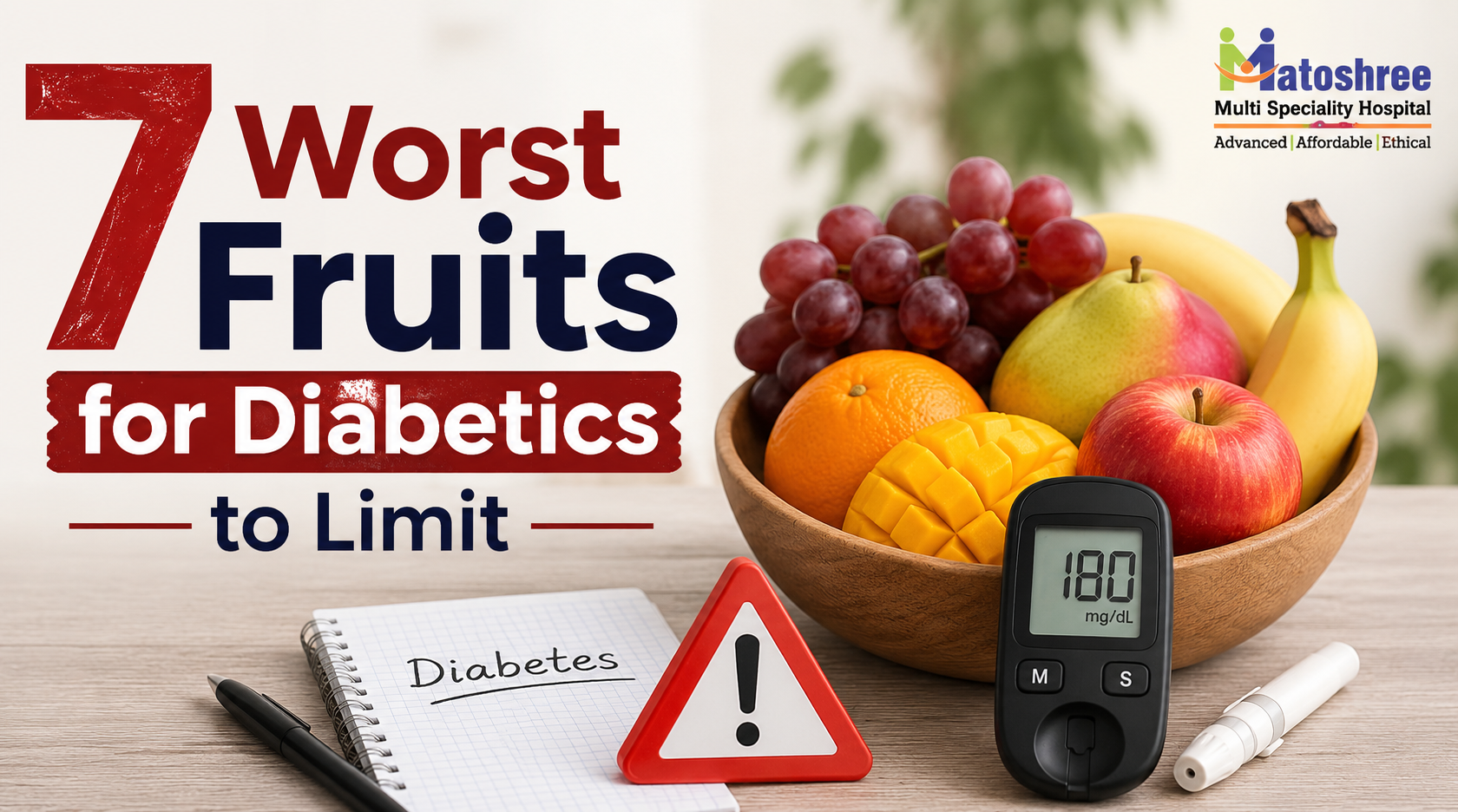
Don't have to remove fruits from your diet. In fact, whole fruits contain fibre, vitamins, antioxidants and other health-boosting nutrients. Some fruits, however, have a larger glycemic index (GI), or concentration of sugars or carbohydrate load, than others, and can cause an increase in blood sugar more rapidly.
Being able to know the worst fruits for diabetics and how they impact blood glucose is key when searching for the worst foods for diabetics. Although no fruit is totally off-limits, some should be consumed sparingly to help control blood sugar.
The secret is to know which fruits to avoid, the level of intake, and which fruits can be consumed by diabetics.
Fruit for People with Diabetes?
Yes — absolutely.
Whole fruits contain fiber, which slows the sugar's absorption and thus helps prevent the rise in blood sugar.But not all fruit has the same impact on blood sugar. Fruits that are:
- High in natural sugar
- Low in fiber
- Dried or juiced
- Overripe
A lot of people looking into the worst fruits for diabetics are surprised to learn that the quantity of fruit consumed is as important as the fruit itself.
7 Worst Fruits for Diabetics (To Eat in Moderation)
1. Watermelon

Although watermelon is rich in water, it is a food with a high glycemic index, which can cause its sugar level to rise rapidly.
How it might increase blood sugar:
- High GI score
- Low in fibre per serving
- Often consumes excessive amounts of food in the summer.
Better alternative:
Pick a different type of berry such as strawberries or raspberries which have less sugar but more fiber.
2. Overripe Bananas

The starch turns into sugar as bananas ripen, increasing their chances of causing rapid glucose increases.
Tips:
- Instead, find bananas that are a bit green.
- Serve with peanut butter or nuts
- Take small bites of food.
Better alternative:
Apples and pears provide more fibre and release sugar at a slower rate.
3. Pineapple

Pineapple is very good for you, but it's also naturally sugary and high in carbs. Eating a large meal may cause blood sugar to rise.
Diabetics should avoid it for several reasons:
- With a high natural sugar content.
- Moderate-to-high glycemic load
- Eaten canned, sweetened and usually in the form of a beverage.
Better alternative:
Tropical alternatives are kiwi or oranges, both of which have a low GI.
4. Grapes

Grapes are healthy, but they are naturally high in sugar and can be consumed in excess.
Portion control matters:
Typically a few will suffice.
Better alternative:
Instead of blackberries, try blueberries, which have lower sugar content.
5. Mangoes
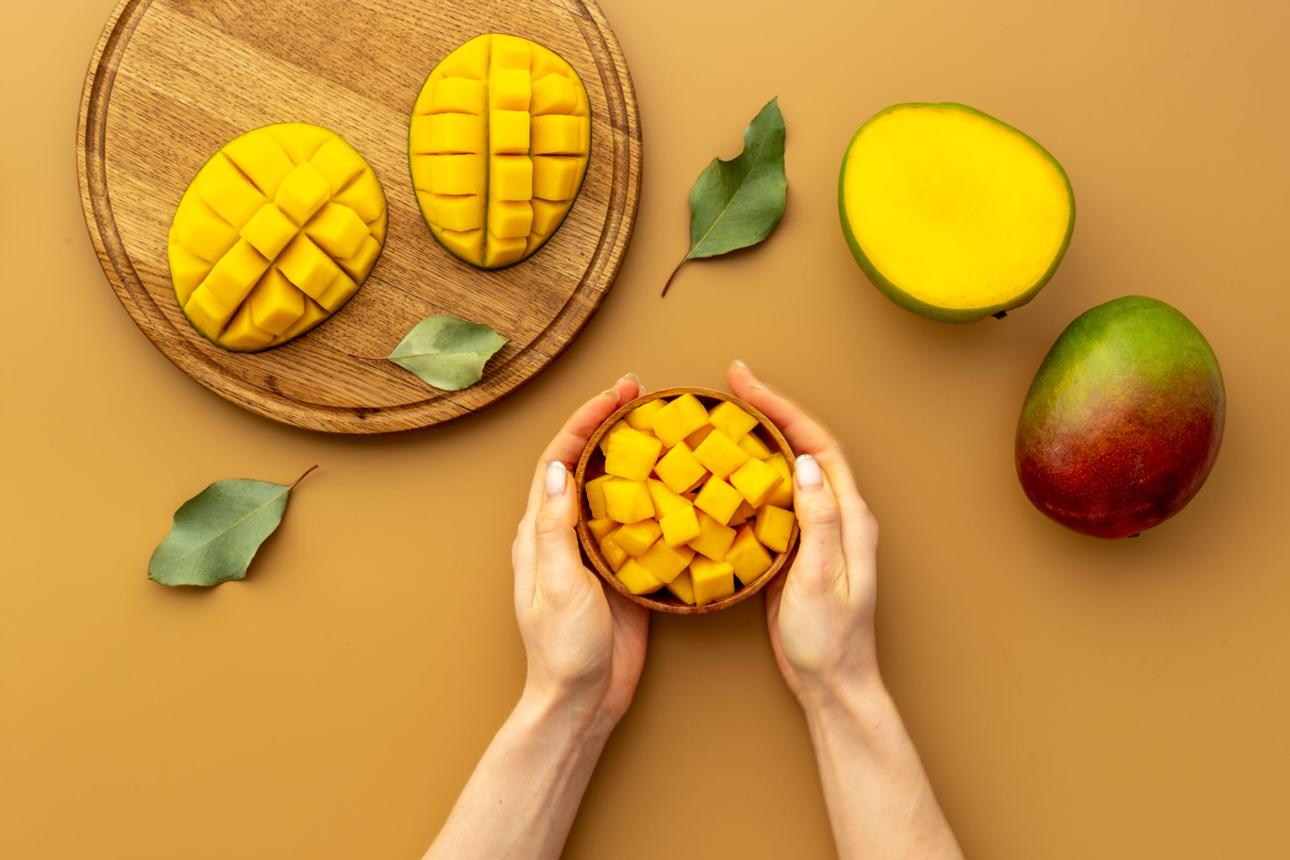
The mango is usually considered as one of the high sugar fruits and is discouraged for consumption for people who have diabetes.
Diabetes tip:
- Eat small portions
- Steer clear of mango juice and mango shakes!
- Combine with protein foods
Better alternative:
Generally peaches and plums are less likely to affect blood sugar levels.
6. Dried Fruits (Dates, Raisins, Apricots)
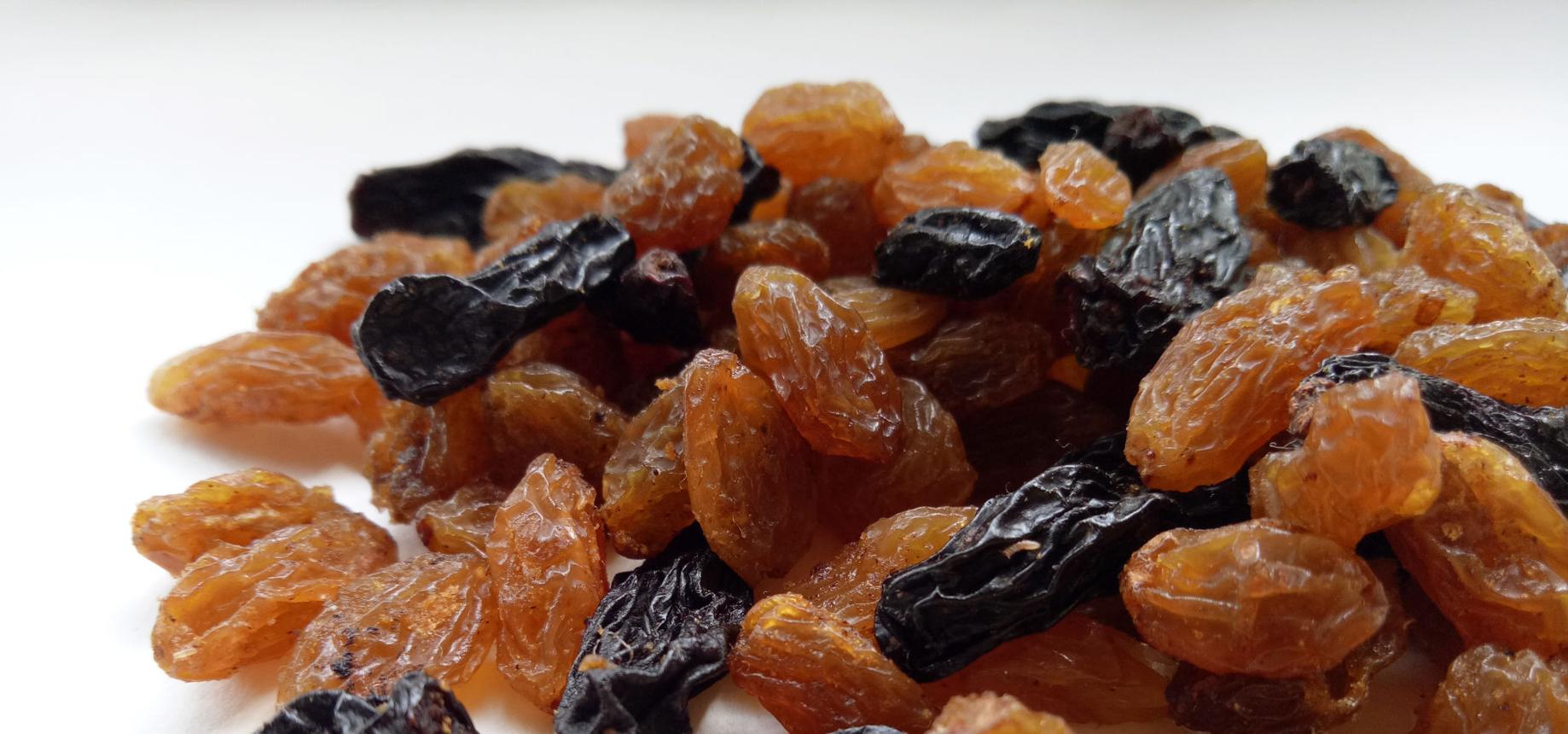
The drying process will cause the sugar to concentrate in the fruit, making them much more sugar dense than fresh fruit.
Why they're risky:
- If the serving size of the food is small, the sugar load is high.
- Easy to overeat
- May have added sugar
Better alternative:
Fresh berries or fresh apples.
7. Fruit Juice

Fruit juice is one of the worst choices for diabetics because it removes most of the fiber while keeping concentrated sugar.
Avoid:
- Packaged fruit juices
- Sweetened smoothies
- Juice concentrates
Better alternative:
Fruits in their whole, with skin and seeds removed.
There are 5 fruits that are the worst choice for diabetics to have.
The 5 fruits which are the worst for diabetics to eat quickly and when in a rush are those which are most often restricted because of the amount of sugar they contain and the effect they have on blood glucose levels:
- Watermelon
- Overripe Bananas
- Mangoes
- Grapes
- Dried Fruits
These fruits are not banned, but should be eaten with caution in smaller amounts.
If you are low on blood sugar, it is good to avoid high sugar fruits for better blood sugar control.
There are some fruits that naturally contain more sugar than others. These are good fruits in small amounts, but high sugar fruits to avoid if you are having trouble with blood sugar:
- Lychee
- Chikoo (Sapodilla)
- Custard Apple
- Jackfruit
- Sweetened canned fruits
Diabetics should especially steer clear of processed fruit products containing added sugar.
Best Fruits for Diabetics
Generally these fruits have lower glycemic effect and higher fiber content:
- Rich in fibre and helps to make you full for longer: apples.
- Berries are a good source of antioxidants and low in sugar.
- Pears — Slow down Sugar Levels
- Oranges — Include fibre if eaten whole
- Guava is an excellent source of dietary fiber.
- Kiwi — This fruit is lower in sugar than many tropical fruits.
- Peaches – Hydrating and lower in glycemic index.
These are healthier options to curb sweet cravings without spiking glucose levels if you are looking for fruits to avoid diabetes.
Tips to Eat Fruit Safely with Diabetes
1. When serving fruit, include protein or healthy fat.
Combine fruit with:
- Greek yogurt
- Nuts
- Peanut butter
- Cheese
This helps the sugar to be absorbed slowly.
2. Watch Portion Sizes
There is a way for large amounts of healthy fruits to raise blood sugar.
3. Pick Whole Fruit Instead Of Juice
Whole fruit provides fiber to help control glucose.
4. Avoid Added Sugars
Skip:
- Syrup-packed canned fruit
- Sweetened dried fruits
- Fruit desserts
Final Thoughts
Diabetics get the worst fruits, which tend to be low in fibre content, high in natural sugar and highly processed fruits. But controlling diabetes is not a matter of binging on fruit, but rather a matter of how much to eat and what to eat.
People with diabetes can enjoy fruits while keeping their blood sugar level within a healthy range by keeping an eye on high sugar fruits to avoid, opting for fruits with more fiber and eating dietary balance.




















 (1).png)