
10 Best Foods for Piles: What to Eat and What to Avoid for Faster Recovery
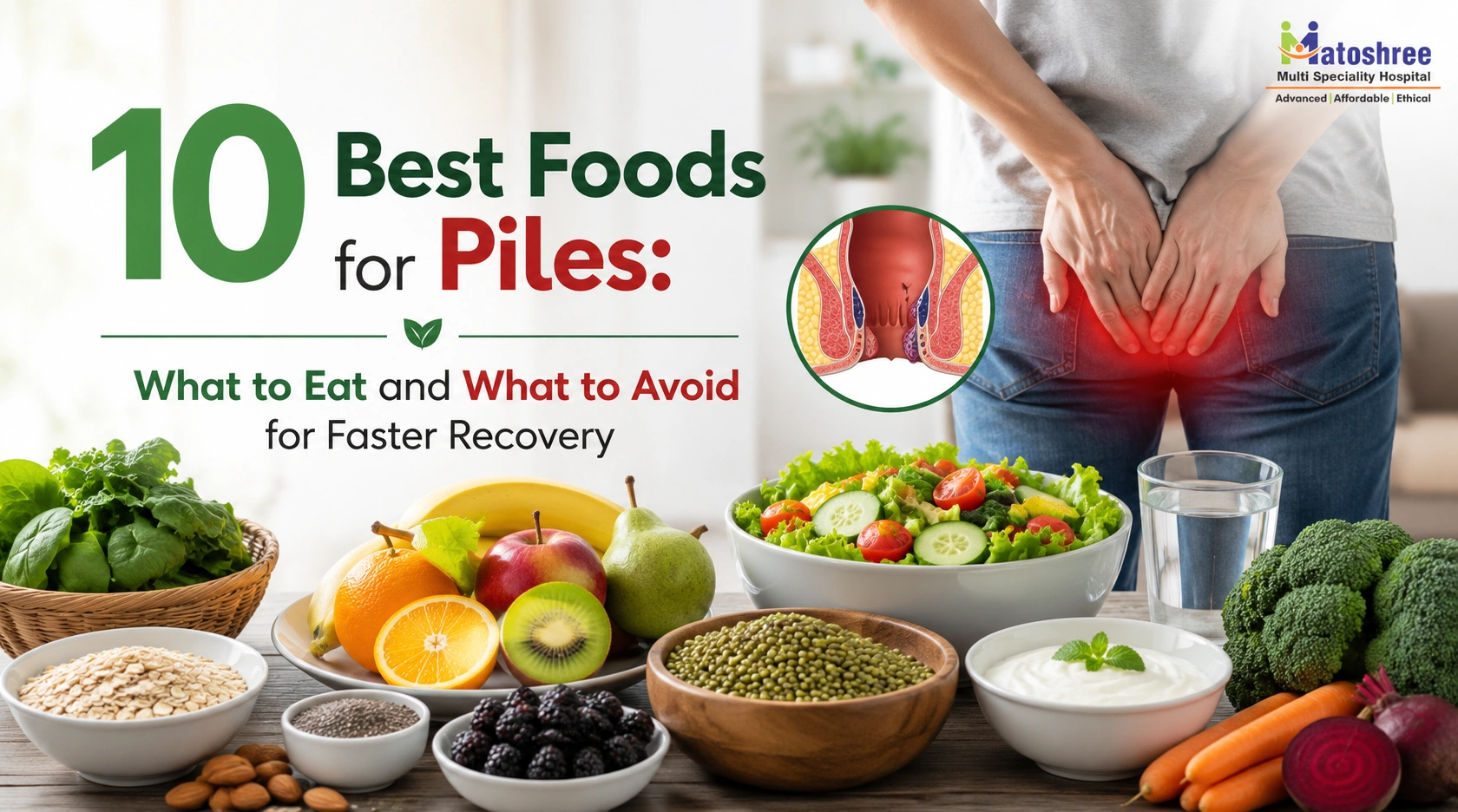
A condition that involves swelling of the veins in the area around the anus and lower rectum is called piles or hemorrhoids. They may lead to pain, itching, swelling, bleeding while going to the toilet, and discomfort while sitting. In addition to correct medical treatment, a correct piles patient diet can play a significant role in alleviating symptoms and avoiding future flare-ups.
If you have any questions about what food is good for piles, the answer is foods that are rich in fiber, water, and essential nutrients. Here is an outline of the best foods for piles, what to steer clear of, and some tips for quicker recovery.
What Are Piles?
Piles are swollen or inflamed veins in the rectum or anus. They can be:
- Internal Piles: Located inside the rectum and usually painless but may cause bleeding.
- External Piles: Found under the skin around the anus and can cause pain, itching, and swelling.
Constipation, prolonged sitting, pregnancy, obesity, low-fiber diets, and excessive straining during bowel movements are among the most common causes of piles.
Why Diet Matters for Piles Recovery
Your daily diet directly affects bowel movements. A diet low in fiber often leads to hard stools and constipation, increasing pressure on the rectal veins.
Following the best food for piles patient helps:
- Soften stools naturally
- Reduce constipation
- Minimize straining during bowel movements
- Support healthy digestion
- Lower the risk of recurring piles
Experts generally recommend consuming 25–35 grams of fiber daily, along with adequate water intake.
10 Best Foods for Piles
1. Whole Grains
Whole Grains are one of the best foods for piles because they contain lots of insoluble fiber that increases the bulk of the stool, making it easier to pass. They are different from refined grains because they still contain the bran and germ, which can lead to better digestive health due to their fiber, vitamins, and minerals. A healthy digestive system can be maintained by regular consumption of whole grains, which help to prevent constipation and reduce straining during bowel movements.
Benefits
- Improves digestion
- Softens stools
- Reduces constipation
- Supports gut health
- Prevents excessive straining
- Promotes regular bowel movements
2. Apples
The apples are a great option for a pile patient diet since they have soluble and insoluble fiber. Apples with the skin on are the highest in fiber, which aids in softening stools, improving bowel movements, and regulating gut bacteria. The high moisture content also helps to maintain the hydration of the digestive system.
Benefits
- Promotes softer stools
- Improves bowel movements
- Reduces constipation
- Supports healthy gut bacteria
- Helps maintain digestive health
One medium apple contains around 4–5 grams of dietary fiber, making it a healthy snack for people with piles.
3. Lentils, Beans and Chickpeas
Lentils, chickpeas, kidney beans, black beans and peas are low in fat and high in fiber and plant protein. They mimic bulk in stool, decrease constipation and make stools easier to pass. These legumes are one of the best food for piles patient as it contains all essential nutrients and promotes digestive health.
Benefits
- Increases stool bulk
- Improves bowel movements
- Reduces pressure during bowel movements
- Supports healthy digestion
- Provides protein and essential minerals
- Keeps you full for longer
Tip: Soak beans overnight before cooking to improve digestion and reduce gas.
4. Berries
Blueberries, strawberries, raspberries, and blackberries are high in fibre, antioxidants, and water. They assist in stool softening, proper digestion, and preventing constipation. They also contain antioxidants that help promote gut health and reparativeness.
Benefits
- Prevent constipation
- Keep stools soft
- Reduce inflammation
- Improve digestion
- Support tissue healing
- Rich in antioxidants
Add berries to oatmeal, yogurt, smoothies, or salads for a healthy fiber boost.
5. Sweet Potatoes
Sweet potatoes contain soluble and insoluble fiber, which is why they are one of the best foods for piles. They are also a good source of Vitamin A, potassium, and antioxidants, which aid digestion and health. They will help with bowel movements, and the skin is a source of fiber when consumed.
Benefits
- Supports bowel regularity
- Softens stools
- Rich in Vitamin A
- Reduces constipation
- Supports digestive health
- Provides antioxidants
Bake, boil, or steam sweet potatoes instead of frying them.
6. Tomatoes
Tomatoes contain an abundance of water, fiber, vitamins, and antioxidants, which promote the health of the digestive tract. The high water content will help keep them hydrated, and fiber will help keep them regular and prevent constipation. Compared to processed tomatoes, fresh tomatoes are healthier.
Benefits
- Improves hydration
- Promotes healthy digestion
- Helps prevent constipation
- Supports gut health
- Rich in antioxidants
- Provides essential vitamins
Enjoy tomatoes in salads, soups, or sandwiches.
7. Kiwi
Kiwi has a reputation for aiding digestion, due to its digestive enzymes and dietary fiber. It is good for softening stools, it aids in bowel regularity and reduction of constipation, and therefore is an excellent fruit for a piles patient diet.
Benefits
- Improves bowel movements
- Reduces constipation
- Supports healthy intestinal bacteria
- Helps soften stools naturally
- Rich in Vitamin C
Kiwi can be eaten fresh or added to smoothies and fruit salads.
8. Pears
Pears are high in fiber and water by their nature, particularly with the skin on. They assist in softening stools, alleviate constipation, and facilitate digestion. They also have natural sugars, which make urination easier.
Benefits
- Relieves constipation
- Improves stool consistency
- Supports colon health
- Helps reduce straining
- Rich in dietary fiber
- Supports healthy digestion
One medium pear provides about 5–6 grams of dietary fiber.
9. Broccoli
A vegetable rich in fiber and vitamins, broccoli is also full of antioxidants and plant compounds that are good for the digestive system. It aids in making the stool bulkier, regularizes the bowel movements, prevents constipation, and serves as a source of nutrients.
Benefits
- Encourages healthy bowel movements
- Improves gut health
- Supports immunity
- Reduces constipation
- Rich in antioxidants
- Supports colon health
Lightly steam broccoli to preserve its nutrients.
10. Citrus Fruits
Oranges, lemons, sweet lime, and grapefruits are citrus fruits and are rich in fibre, Vitamin C, antioxidants, and also have sufficient water content. They contain soluble fibre, which softens stools, and their water content keeps digestion healthy and prevents constipation.
Benefits
- Keeps the digestive tract hydrated
- Supports stool softness
- Improves bowel movements
- Rich in Vitamin C
- Boosts immunity
- Helps reduce constipation naturally
For the best results, eat whole citrus fruits instead of drinking only fruit juice to get their full fiber content.
Which Food Is Good for Piles?
When deciding which food is good for piles, focus on foods that are naturally high in fibre and water. Maintaining soft stools, by consuming whole grains, fresh fruits, vegetables, legumes and fluids, helps to relieve pressure on the rectum. These dietary practices can be very beneficial for the digestive system and can help to relieve symptoms if followed properly.
Foods to Avoid During Piles
Certain foods may worsen constipation or irritate the digestive system.
Avoid or limit:
- Processed foods
- Deep-fried foods
- Fast food
- Excessively spicy foods
- Refined flour products
- Sugary snacks
- Alcohol
- Excess dairy products
- Salty packaged foods
These foods may increase constipation and worsen piles symptoms.
Additional Diet Tips for Piles Patients
To get the maximum benefit from the best food for patients with piles, follow these simple tips:
- Drink 8–10 glasses of water every day.
- Include fiber-rich foods in every meal.
- Avoid delaying bowel movements.
- Stay physically active.
- Avoid sitting on the toilet for long periods.
- Increase fiber intake gradually to prevent gas and bloating.
Conclusion
With a balanced collection patient diet and a healthy lifestyle, you can help to ease symptoms and decrease the risk of having further flare-ups. A diet rich in foods for piles helps to maintain digestion and bowel movements. If symptoms persist or worsen, however, don't neglect them. A piles doctor in Navi Mumbai will be able to diagnose and treat you, providing you with a long-term solution to piles.
















 (1).png)